A Twike consumes very little energy. Ferdi Kaiser from Wittnau has already covered 170,000 kilometers in the weight-optimized vehicle.
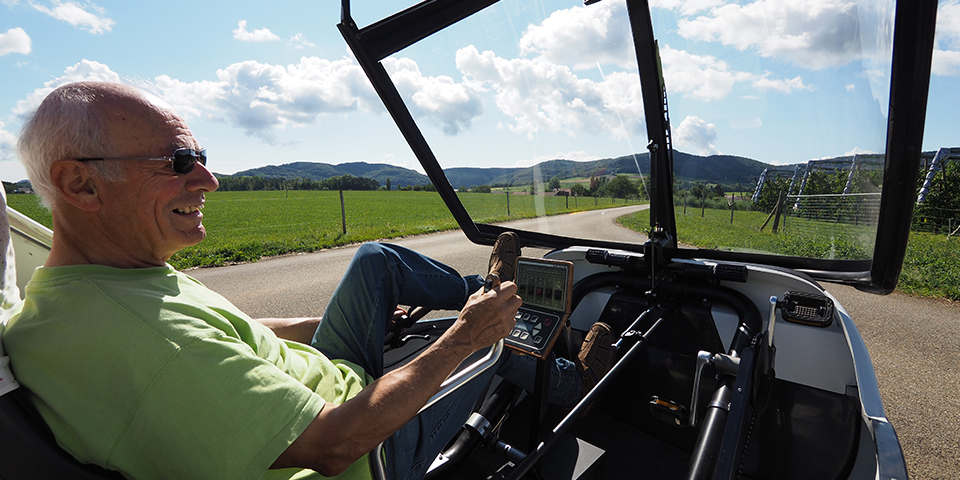
Up, up, up, up. His kneecaps rise and fall rhythmically as Ferdi Kaiser pedals and keeps an eye on the traffic on the road through the plexiglass window. An electric motor hums at the rear. A second person can sit on the passenger seat, which is also equipped with “pedals”.
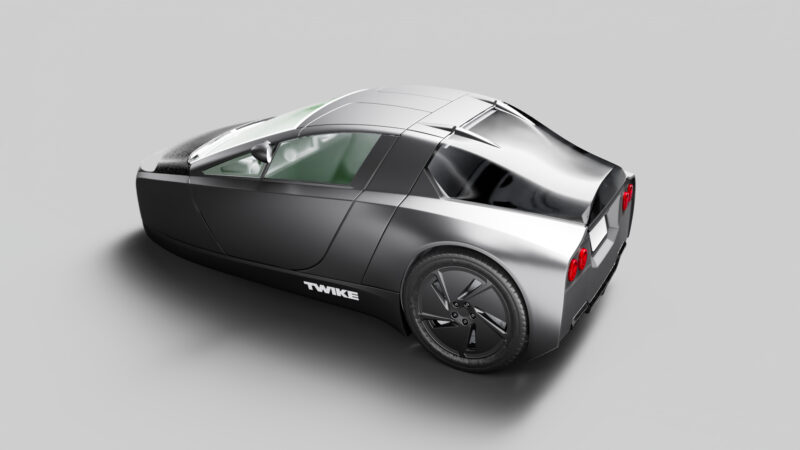
The weight-optimized 1.2-metre-wide tricycle, equipped only for the bare essentials, is cramped. But there is room for luggage in the rear. The easily removable front passenger seat creates additional storage space.
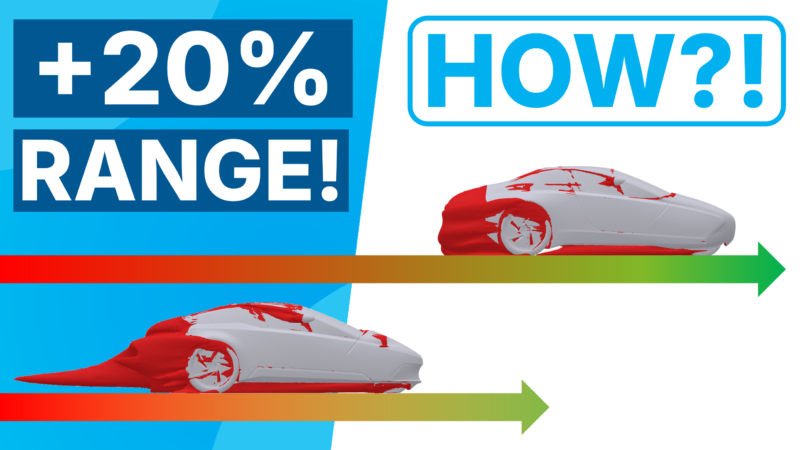
Heating has been deliberately omitted. In winter, you have to dress warmly and pedal. Pedaling increases the range by around 20 percent. Two fans help against misted-up windows. The convertible top can be rolled up to the side if it gets too warm for the occupants.
The joy of his Twike is still written all over the 73-year-old’s face, even if he finds it more difficult to get on and off the bike from the side than he used to. Bought in 1997 for a good 20,000 francs, it has since covered 170,000 kilometers, or more than four times the circumference of the earth. Pass trips over the Bözberg and the Benkerjoch with a gradient of up to 16 percent were a regular feature. For 170,000 kilometers, the vehicle required 8,500 kilowatt hours of electrical energy, which corresponds to around 850 liters of petrol or diesel. The maximum speed is 85 km/h and the price for maintenance and servicing is 50 centimes per kilometer. The efficiency of this vehicle, which weighs just 230 kilos (plus 38 kilos of battery), is impressive. The energy from five deciliters of petrol is sufficient for 100 kilometers, also because electric motors generate little waste heat and can recuperate energy when braking.
To ensure that the electricity also came from a clean source, a solar system was installed on the roof of his house in 1997 – at that time for 45,000 francs, with the federal government contributing 9,000 francs and the purchase being tax-deductible. “Today, a comparable system costs perhaps 8,000 francs,” estimates Ferdi Kaiser, who has been a pioneer in the sustainable use of energy for years.
Ferdi Kaiser rarely let his Twike down
The electric vehicle with muscle power assistance, which was invented in 1986 by students at ETH Zurich and others and later developed further, rarely let him down. Once it broke down at the restaurant on Bözberg and had to be towed away. It cost 500 francs to replace the printing plate.
Once the battery was almost flat in Frick. After Ferdi Kaiser got out, the remaining energy was enough to steer the vehicle home through the side window while driving at walking pace.
Twike has been produced in Germany for several years. In addition to the updated Twike 3 – with a three-point safety belt and wider tires, among other things – Twike 5 is being developed, a tricycle that is designed to reach speeds of up to 190 km/h.
Source: Aargauer Zeitung
Image source:© Nana do Carmo