About us
Fitness
Efficiency
Sustainability
The TWIKE Story:
Four Decades of Pioneering Human-Electric Mobility
From a human-powered experimental vehicle to a new generation of radically efficient electric mobility: the story of TWIKE spans four decades of lightweight engineering, active mobility, technological evolution, and an exceptionally committed community.
1986–1994
From a Swiss Vision to a Practical Electric Vehicle
The story of TWIKE begins with a radical lightweight concept: two people, an aerodynamic vehicle, and the lowest possible energy consumption. The originally human-powered experimental vehicle gradually evolves into an electrically assisted mobility concept—and ultimately provides the foundation for a series-production vehicle.
1986
The original TWIKE
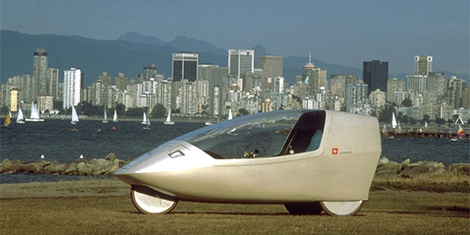
For the Innovative Vehicle Design Competition held during the World Expo in Vancouver, a group of Swiss students and apprentices develops the first TWIKE.
Conceived as “PROJECT 50/50,” the vehicle is designed to weigh 50 kilograms, carry two people, and reach speeds of up to 50 km/h using human power alone.
The aerodynamic two-seat recumbent vehicle wins the Functionality Award for its ergonomic design. Its lightweight construction, pedal drive, and uncompromising focus on energy efficiency lay the foundations for all later TWIKE generations.
The vehicle was originally known as the TWIKE I and is now commonly referred to as the original TWIKE.
1991
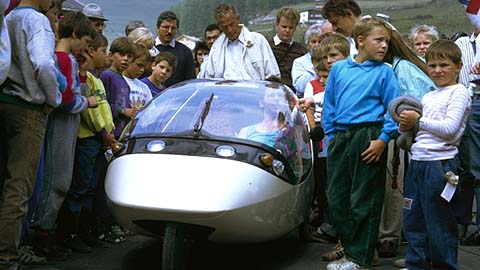
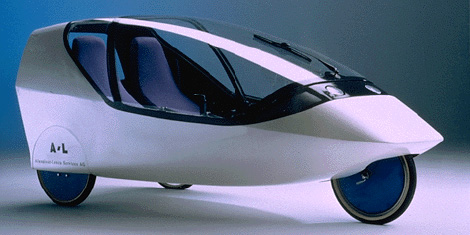
The TWIKE 2 Combines Human and Electric Power
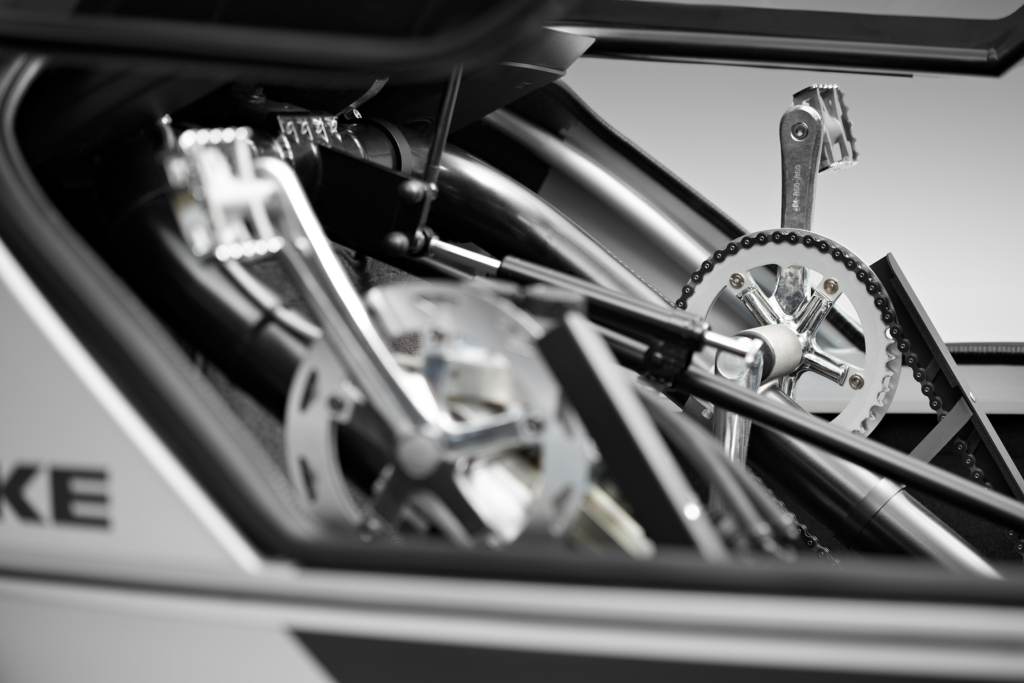
With the TWIKE 2—originally called the TWIKE II—the purely human-powered concept becomes a human-electric hybrid. An electric auxiliary drive complements the pedal system and significantly improves range, performance, and everyday usability.
In 1991, the TWIKE 2 is presented to a broad audience at the HEUREKA research exhibition in Zurich. Testing demonstrates that a lightweight, compact, and energy-efficient vehicle powered jointly by its occupants and an electric motor can work successfully in everyday use.
1992–1994
From Prototype to Series Development
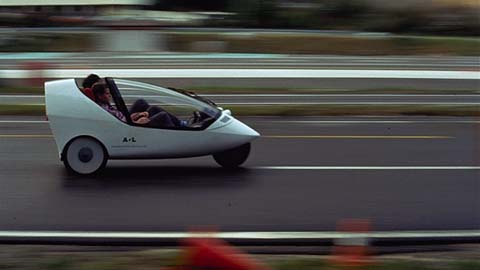
In 1992, TWIKE AG is founded in Gelterkinden, Switzerland, placing the development project on a professional organizational footing and preparing the vehicle for series production.
A specialized development team redesigns major components, including the frame structure, body, electronics, batteries, transmission, suspension, and controls.
At the same time, prospective customers are recruited for a planned pilot series, and the technical and organizational foundations for production are established.
1995–2001
Series Production, Community, and International Recognition
1995
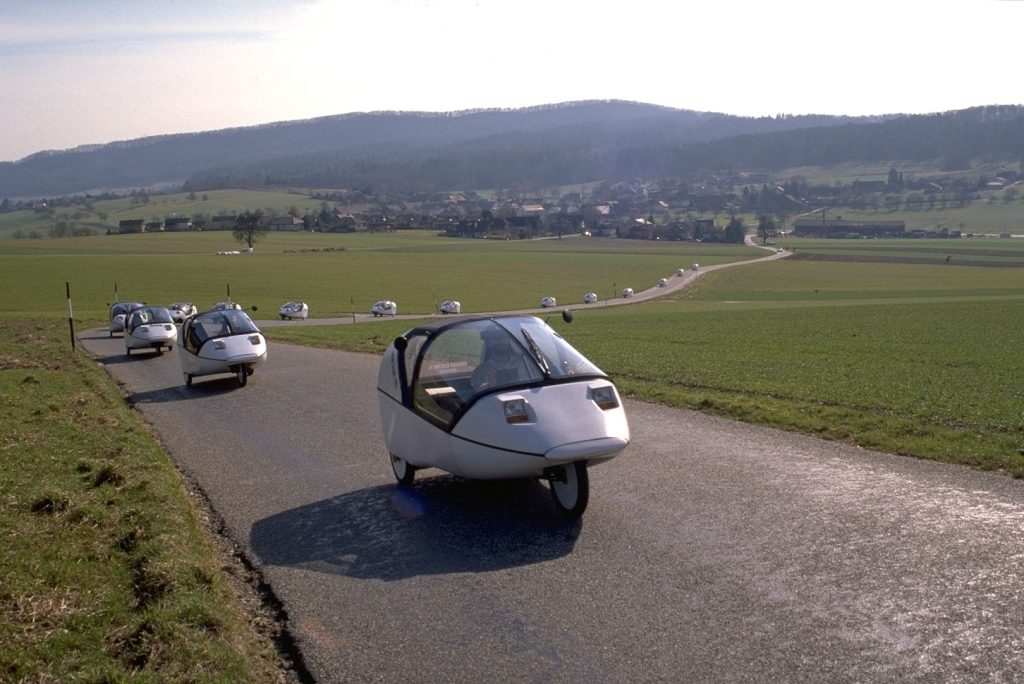
Presentation of the Series-Ready TWIKE 3
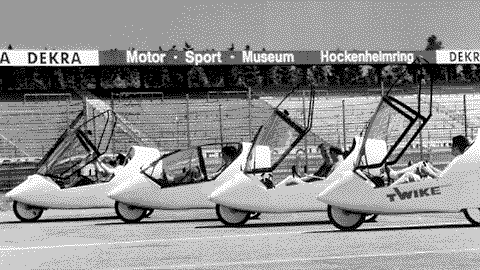
In July 1995, the first series-ready TWIKE 3 vehicles are presented during a BASF press event at the Hockenheimring.
The presentation marks the public launch of the third TWIKE generation and the transition from development project to series-production vehicle.
1996
First Customer Deliveries
At the beginning of 1996, the first vehicles from the pilot series are delivered to customers in Switzerland and Germany.
By the end of the year, a total of 190 TWIKE vehicles have been assembled and delivered, demonstrating that the lightweight human-electric vehicle can be produced and used successfully beyond the prototype stage.
1997
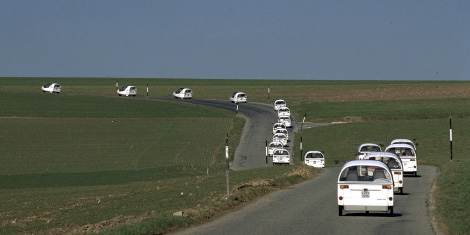
The TWIKE Club Is Founded
The TWIKE Club Switzerland is established to strengthen communication among drivers, supporters, and interested members of the public.
Through shared events, technical exchange, and long-distance journeys, the club helps preserve and expand the TWIKE vision.
1998
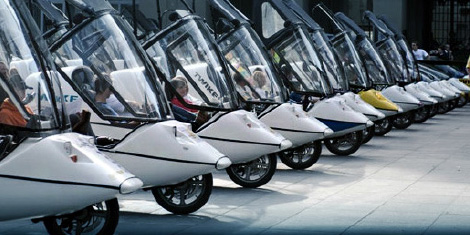
FINE MOBILE GMBH is founded
FINE Mobile GmbH is founded as the German general importer for TWIKE.
The company establishes sales, customer support, and service structures in Germany and begins building close relationships with the growing community of TWIKE drivers.
1998
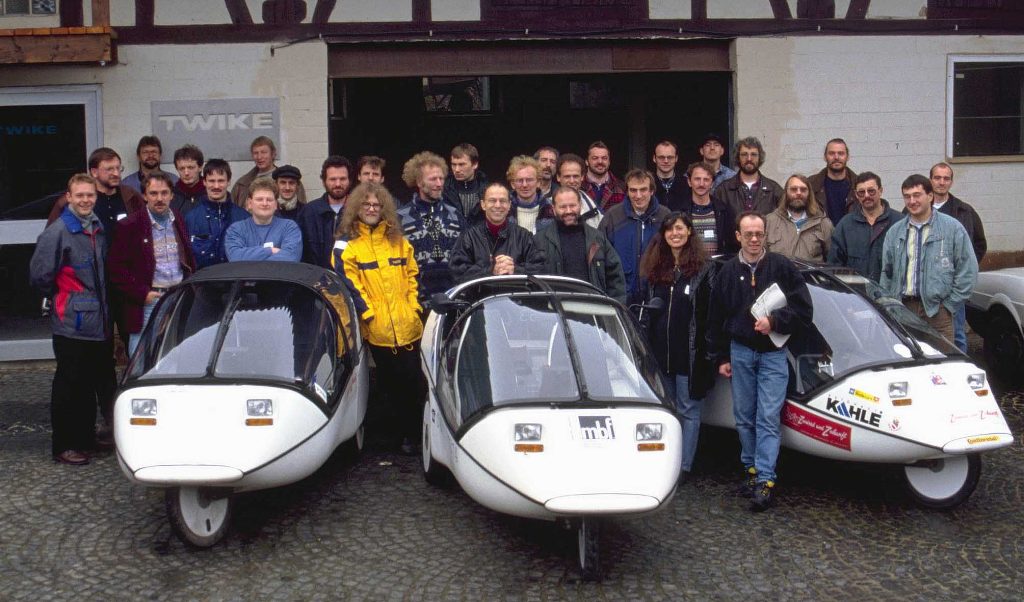
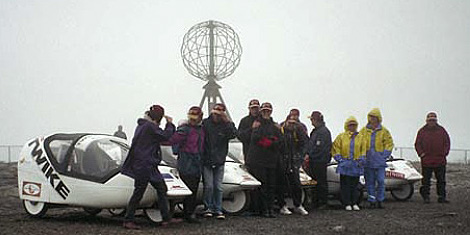
The North Cape Challenge
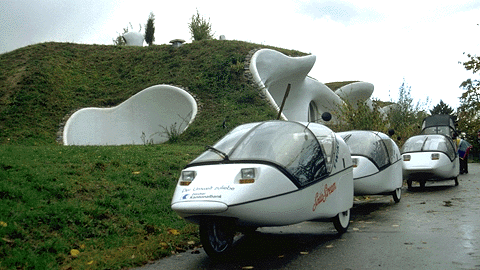
Six TWIKE vehicles travel more than 10,000 kilometers from Switzerland through the Baltic states to the North Cape and return through Scandinavia.
The journey demonstrates the reliability and exceptional energy efficiency of the series-production vehicle. In 2000, the achievement is recognized with an entry in the Guinness Book of Records.
1999–2001
Reorganization of Production in Switzerland
TWIKE AG and S-LEM AG, which had been involved in vehicle assembly, merge to form SwissLEM AG.
The new company aims to expand production and internationalize the TWIKE business. This phase ultimately leads to a fundamental change in ownership and production responsibility in 2002.
2002–2006
A New Home for TWIKE in Rosenthal
2002
TWIKE Production Moves to Germany
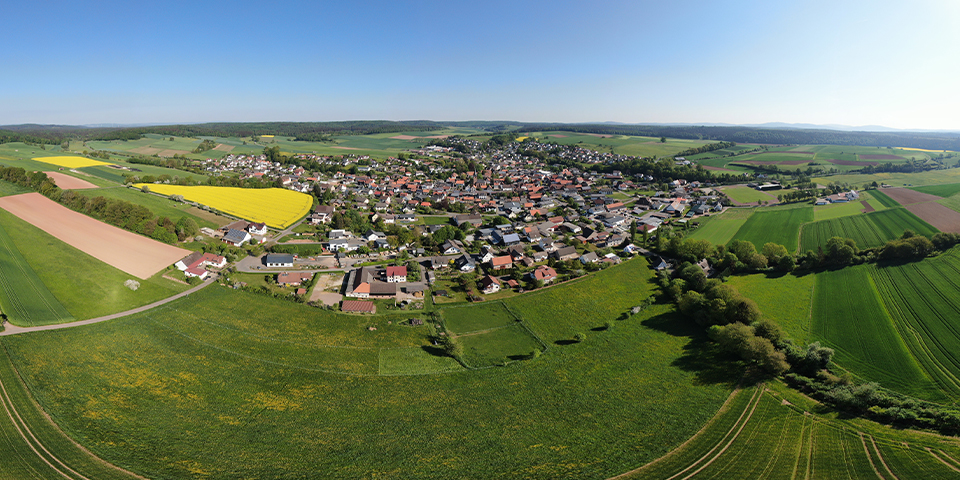
Following SwissLEM AG’s debt-restructuring proceedings, FINE Mobile GmbH acquires the production and brand rights for the established TWIKE vehicle.
FINE Mobile had already served as the German general importer since 1998.
Production, spare-parts supply, customer support, and further development are relocated to Rosenthal in the German state of Hesse. This secures continued support for existing vehicles and gives TWIKE a new entrepreneurial home.
2002–2004
Rebuilding Production and Spare-Parts Supply
The transfer involves much more than moving the assembly location. Materials, tools, components, and production equipment are transported from Switzerland, inventoried, and reorganized in Rosenthal.
At the same time, FINE Mobile maintains customer service and spare-parts supply. Missing production knowledge is reconstructed, supplier relationships are re-established, and new assembly and office facilities are created.
2005
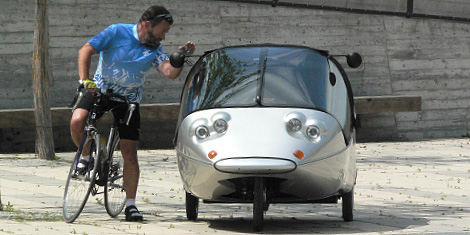
More Than 100 Kilometers of Range
With newly developed battery systems, the TWIKE exceeds a range of 100 kilometers for the first time.
Continuous improvement of existing vehicles remains an important principle: whenever possible, technical advances are also made available to previously delivered TWIKE vehicles.
2006
Manufacturing Expertise Grows in Rosenthal
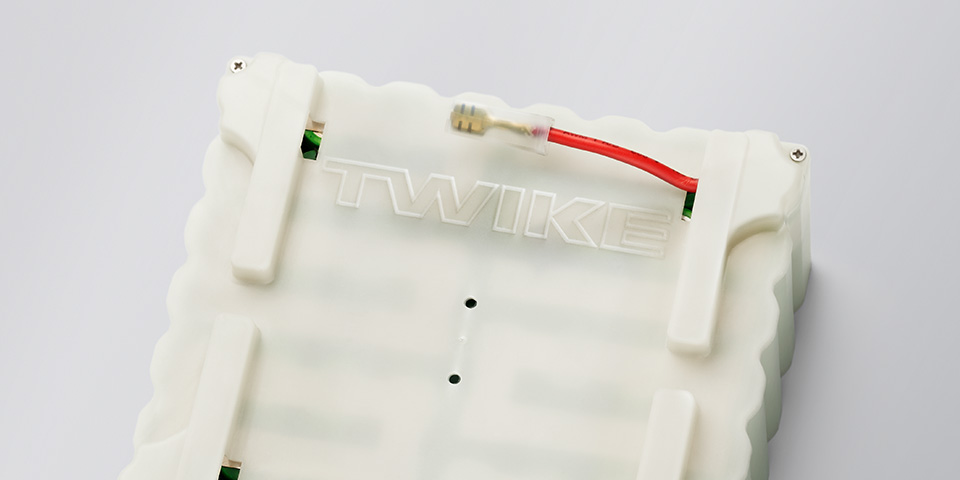
FINE Mobile continues to expand its in-house technical expertise. Following the withdrawal of a motor supplier, motor assembly is transferred to Rosenthal.
Production processes are documented and optimized, and new service-friendly battery housings are developed.
FINE Mobile thus evolves from an importer and sales organization into an independent manufacturer and developer of the TWIKE.
2007–2013
TW4XP, the Automotive XPRIZE, and the Origins of the TWIKE 5
The development of the TWIKE 5 did not begin with a single formal project launch. Its conceptual roots extend back to 2007.
Initial ideas and sketches for a new, more powerful TWIKE generation lead to the TW4XP project. The TWIKE 4 technology demonstrator developed for the Automotive XPRIZE makes these ideas tangible and subsequently provides the foundation for the TWIKE 5.
2007
The LION Battery and First Ideas for the Next TWIKE Generation
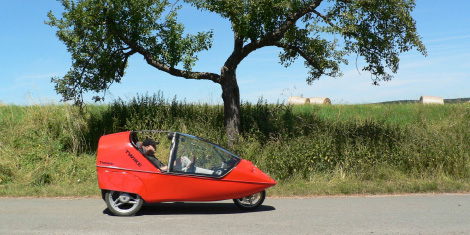
The introduction of the LION Battery increases the electric range of the TWIKE 3 to approximately 200 kilometers.
The transition to lithium-ion technology reduces battery-maintenance requirements, makes longer everyday journeys possible, and opens up new technical opportunities.
During the same period, the first ideas and sketches for a new TWIKE generation emerge in connection with the planned Automotive XPRIZE project.
These ideas develop into TW4XP—“Three-Wheeler for XPRIZE”—and form the conceptual starting point for the later TWIKE 5.
2010
The TWIKE 4 at the Automotive XPRIZE
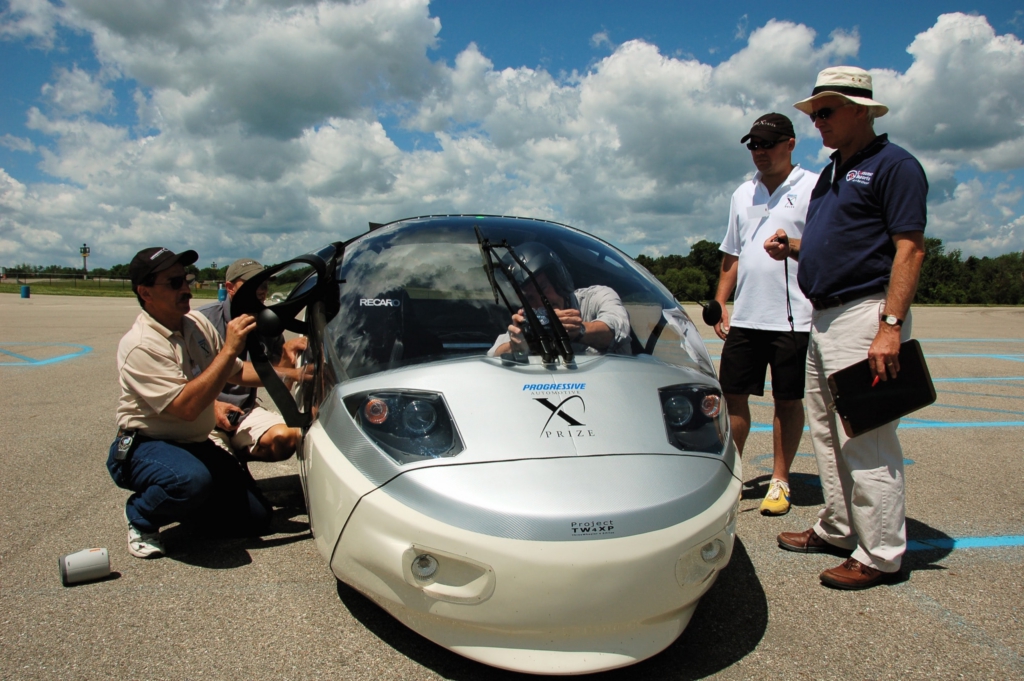
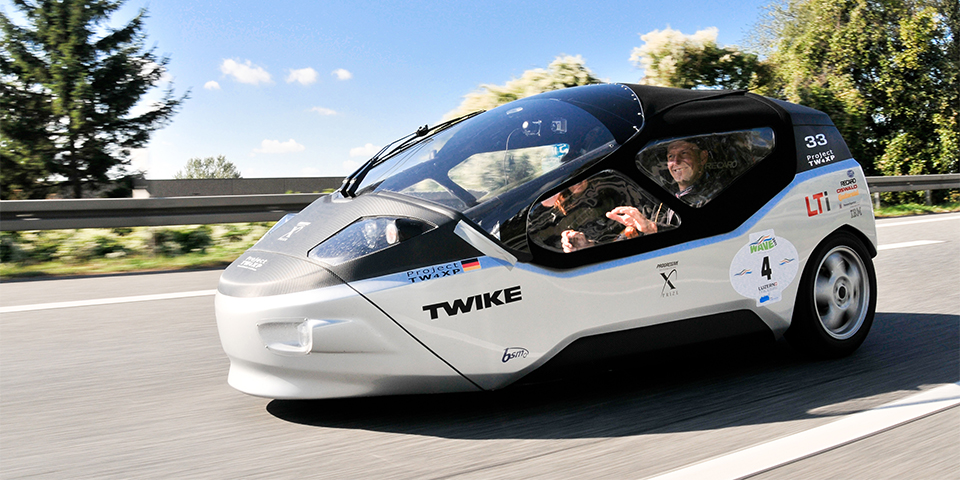
For the international Automotive XPRIZE, TWIKE develops the TW4XP as a completely new and significantly more powerful technology demonstrator.
The TWIKE 4 combines uncompromising lightweight construction, improved aerodynamics, and a more powerful electric drive.
The prototype is publicly presented at the Hannover Messe in April 2010 and subsequently transported to the United States for the competition. It reaches the final round and finishes third in the Alternative Side-by-Side Class.
The competition confirms the potential of the new vehicle concept. The experience gained with the TWIKE 4 is to be transferred to a further-developed series-production vehicle.
2011–2012
Efficiency and Everyday Usability in International Competition
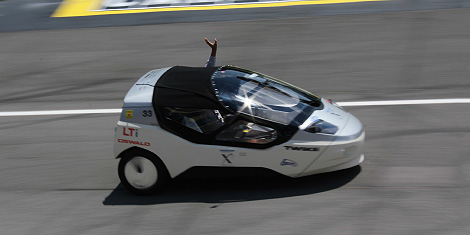
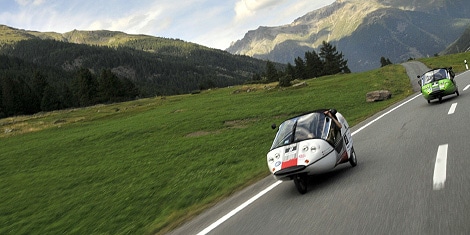
TWIKE vehicles demonstrate their reliability and exceptionally low energy consumption in international long-distance rallies and efficiency competitions.
The TWIKE 4 wins the overall classification of the WAVE in 2011, while another team completes the event in a TWIKE 3.
Further successes follow during the WAVE 2012 and the e-miglia, where TWIKE receives recognition for outstanding energy efficiency.
These journeys provide valuable real-world experience and demonstrate that exceptional efficiency, long range, and practical electric mobility can be combined.
2013
Range Record and the Transition to the TWIKE 5
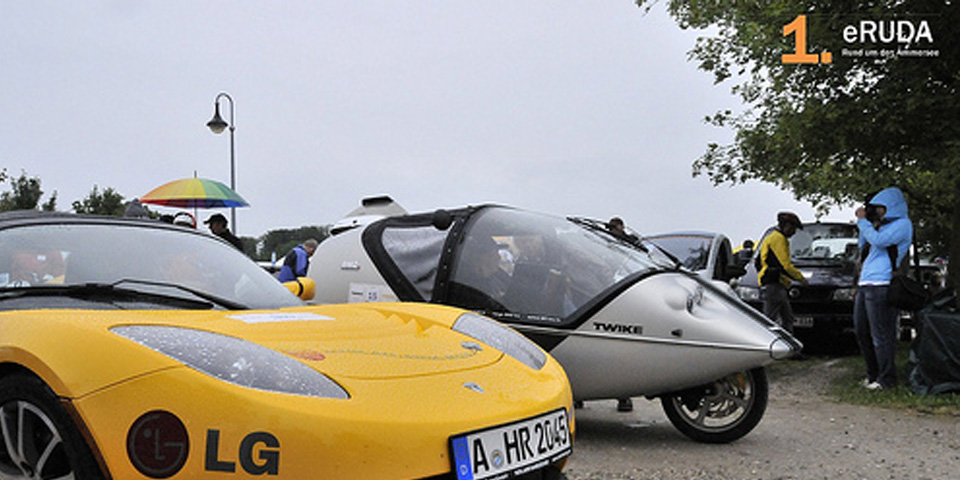
At the first eRUDA, a near-series TWIKE 3 equipped with a battery available to customers travels 510 kilometers without intermediate charging. A participating Tesla Roadster completes 418 kilometers.
At the same event, the TWIKE team also wins the overall classification.
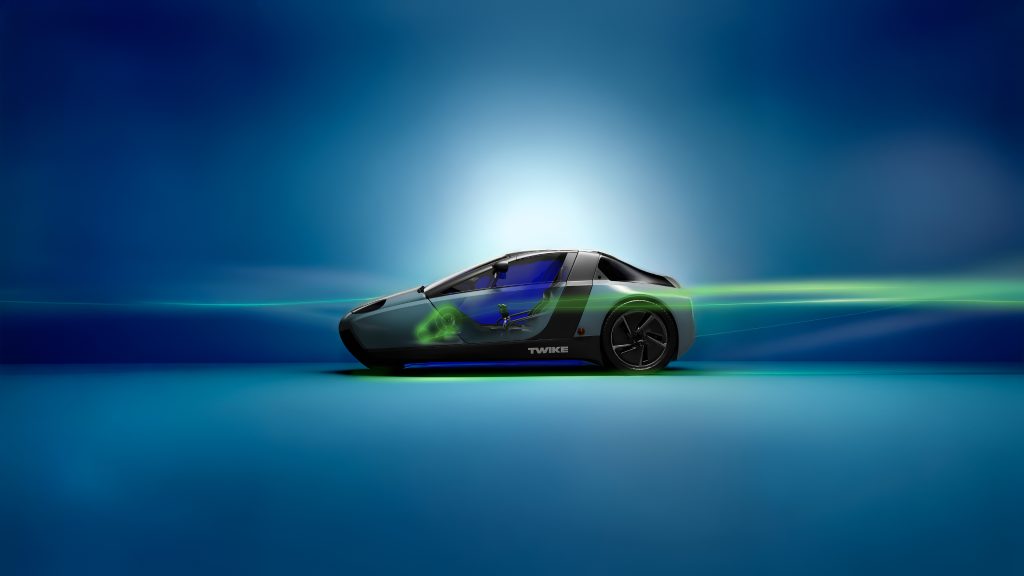
Later that year, the TWIKE 4 is presented at the International Motor Show as a technology demonstrator and the direct foundation for the next vehicle generation. The knowledge gained through the TW4XP project now flows into the further development of the TWIKE 5.
2014–2018
From Development Concept to a Defined TWIKE 5 Project
Following the experience gained with the TWIKE 4, the next vehicle generation increasingly takes shape.
The intention, pursued since the Automotive XPRIZE, to transfer the strengths of the TW4XP into a further-developed series-production vehicle gradually becomes the TWIKE 5.
Working closely with the TWIKE community, the team refines the vehicle requirements, architecture, and technical solutions.
Lightweight construction and exceptional energy efficiency remain fundamental, while the new vehicle is also intended to provide significantly greater range, performance, safety, and everyday usability.
2015
The TWIKE 5 Becomes a Defined Vehicle Project
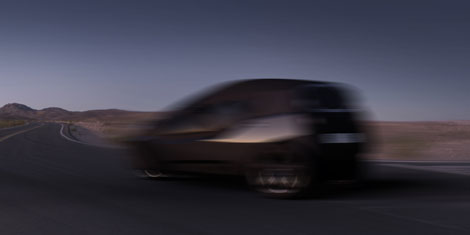
In 2015, the TWIKE 5 is presented comprehensively as an independent next-generation vehicle project.
A full-scale model illustrates the planned dimensions and new vehicle architecture.
At the same time, the development team refines central systems including the suspension, drive, battery, onboard electrical system, and electronics.
An early drive and battery unit is tested in a sports boat, providing important insights for the later vehicle.
2016
Community Funding Opens the Next Development Phase
In June 2016, loans and reservations from the TWIKE community reach €250,000, marking the project’s first major funding milestone.
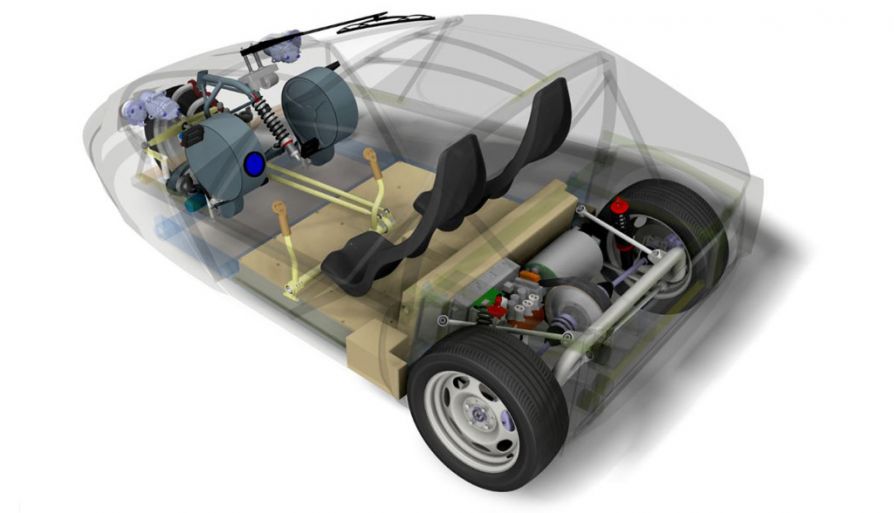
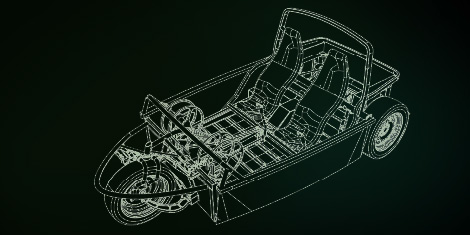
With this financial foundation in place, preparations for the planned driving test vehicle move forward. Development work focuses on defining the frame, suspension layout, drive architecture, and electrical systems required for the next phase of the TWIKE 5 project.
At this stage, the frame exists as an engineering design rather than as part of a completed test vehicle. The construction drawing illustrates how the vehicle concept is gradually translated into a technically feasible structure.
2017–2018
Safety, Design, and Manufacturability Come Together
During further development rounds, the functional and visual requirements of the TWIKE 5 are brought together.
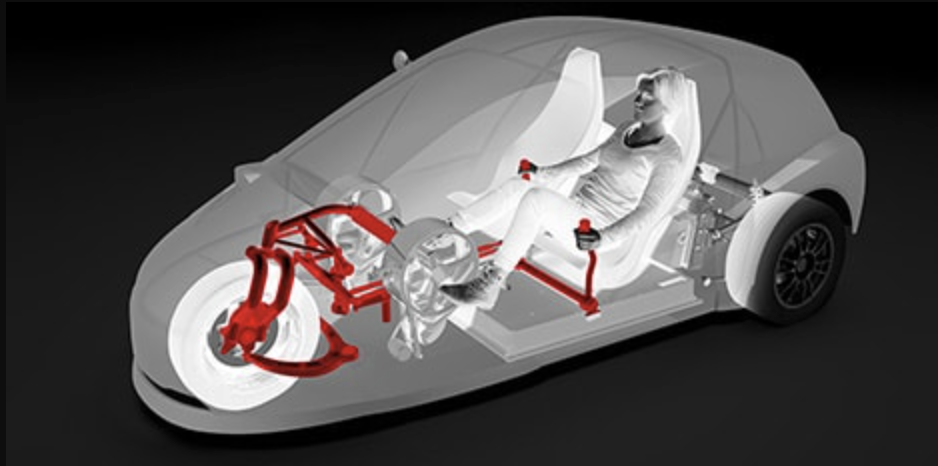
Key areas include the vehicle structure, rollover protection, aerodynamics, exterior panels, and the future manufacturability of individual components.
The rollover bar is developed not only as a safety component but also as a structural and visual element.
The vehicle increasingly becomes an integrated system combining lightweight construction, safety, efficiency, and driving dynamics.
2019–2020
Public Premiere and the Transition to Series-Oriented Development
2019
Premiere in Geneva and Achievement of the Funding Target
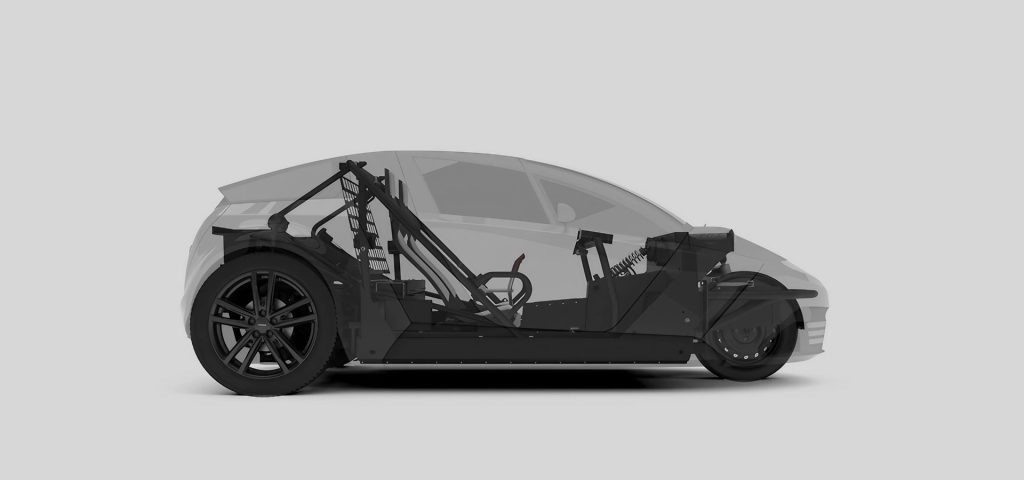
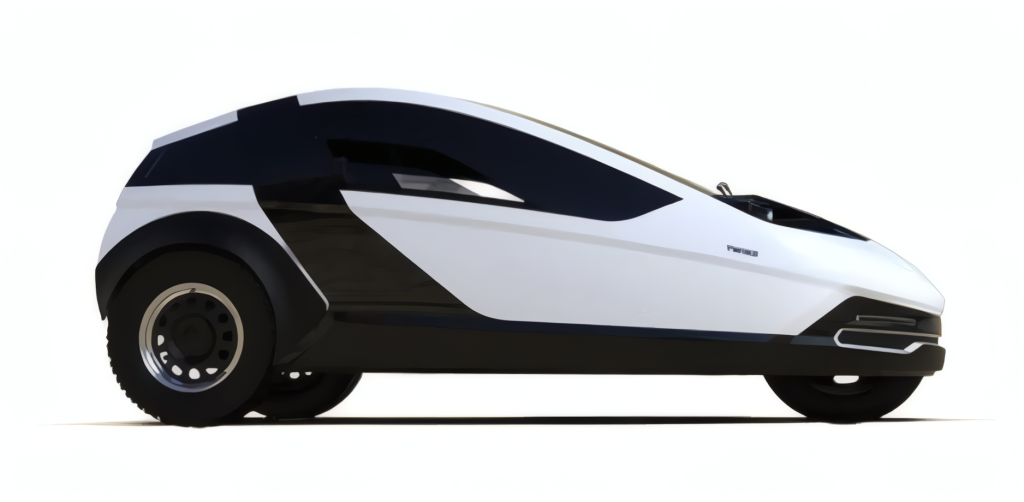
In March 2019, the TWIKE 5 is presented to an international audience and the trade press at the Geneva International Motor Show.
The presentation in Switzerland—the birthplace of TWIKE—shows the further-developed vehicle concept publicly in its intended form for the first time.
On July 31, the TWIKE community reaches the minimum funding target of two million euros.
This creates an essential foundation for moving the new vehicle generation into the next phase of development.
2020
Series-Oriented Development Begins
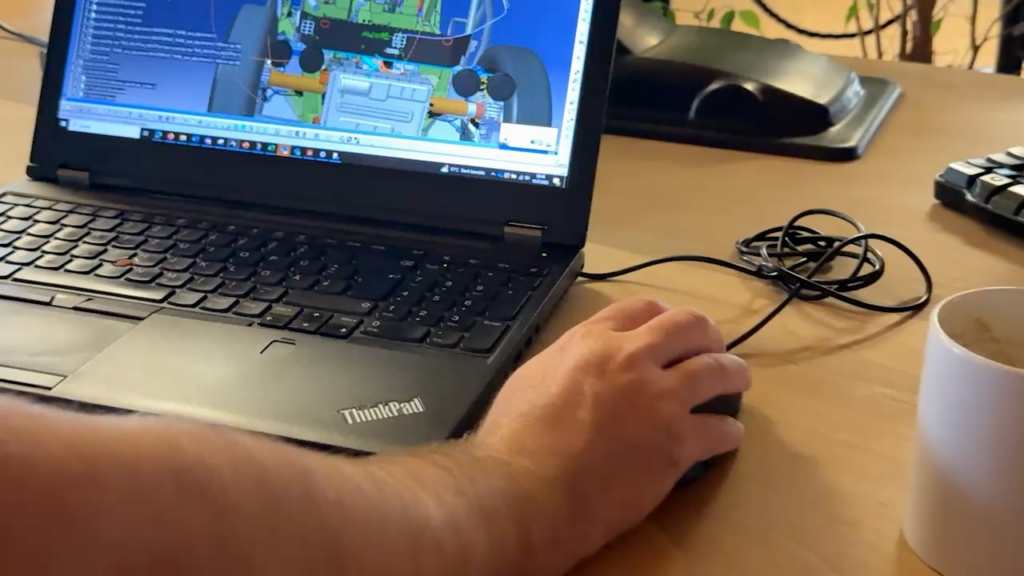
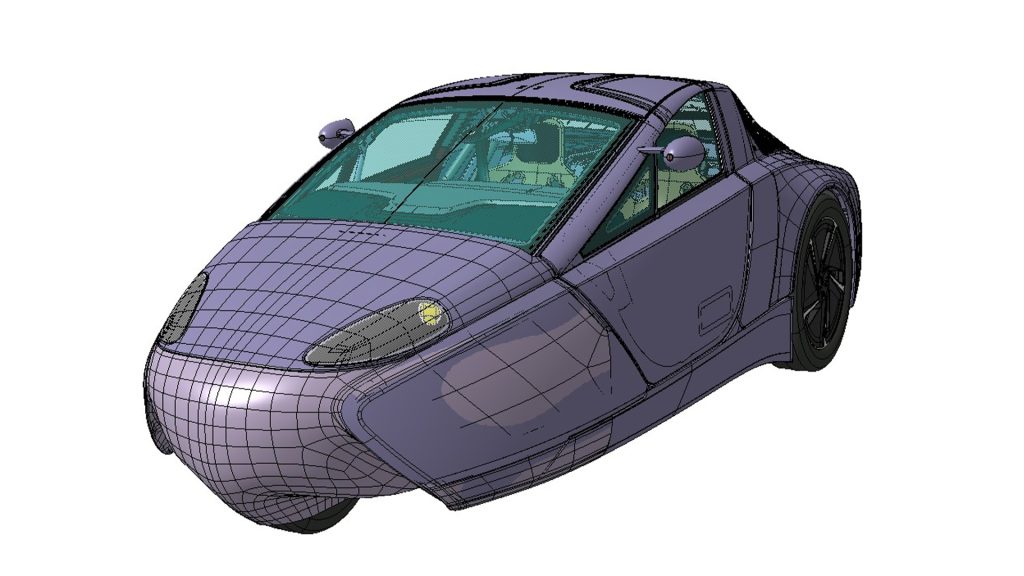
The CAD data developed during the concept phase are analyzed, meshed, and validated against typical crash and driving loads.
At the same time, production processes, material flow, required production space, purchasing conditions, and delivery batch sizes are developed in greater detail.
Systematic preparations for type approval also begin. Documentation for approval-relevant components is compiled and compared with the applicable legal requirements.
Preparations continue for the construction of the first driving test vehicle, which will allow the existing calculations and design decisions to be evaluated in real-world operation.
2021–2026
Industrialization, Testing, and Production Preparation
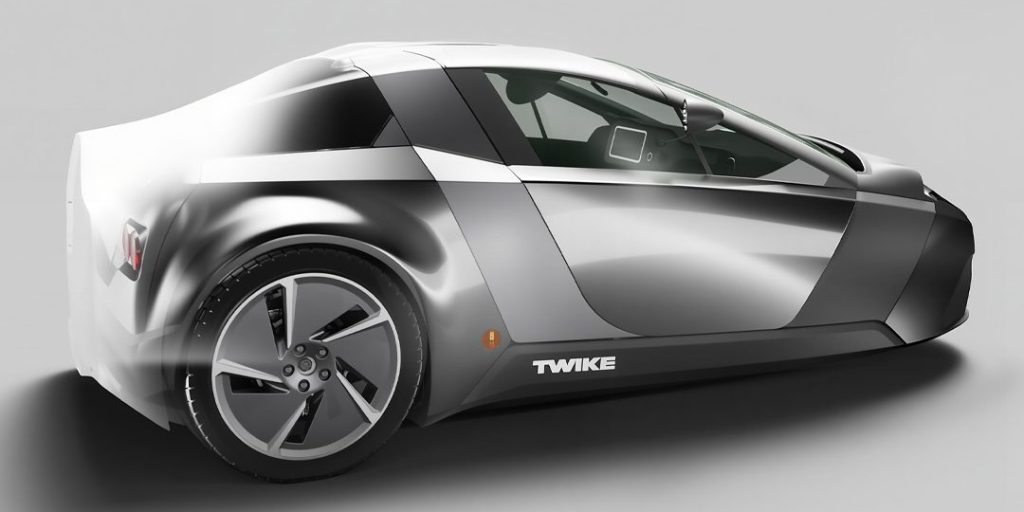
The TWIKE 5 develops from a fully designed vehicle concept into a roadworthy test vehicle.
The drive, vehicle structure, electrical and electronic systems, and software are integrated and tested in practical operation.
At the same time, the physical and organizational foundations for planned small-series production are established in Rosenthal.
2021
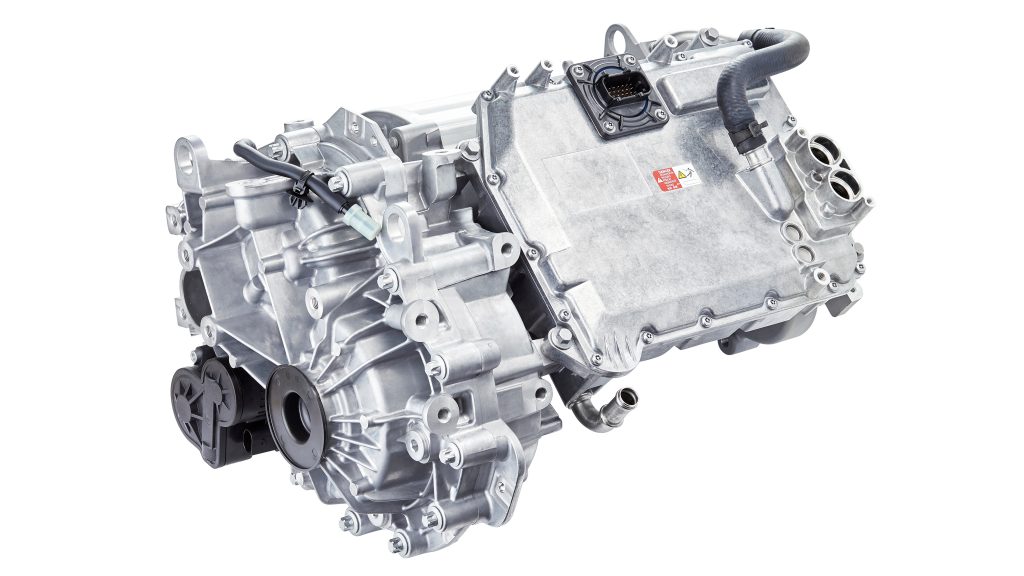
TWIKE selects the Vitesco EMR3
TWIKE selects the highly integrated EMR3 system from Vitesco Technologies as the electric drive for the series-oriented TWIKE 5.
The compact unit integrates the electric motor, power electronics, and reduction gearbox.
Already used in mass-produced passenger vehicles, the system is applied for the first time outside the conventional passenger-car segment.
2022
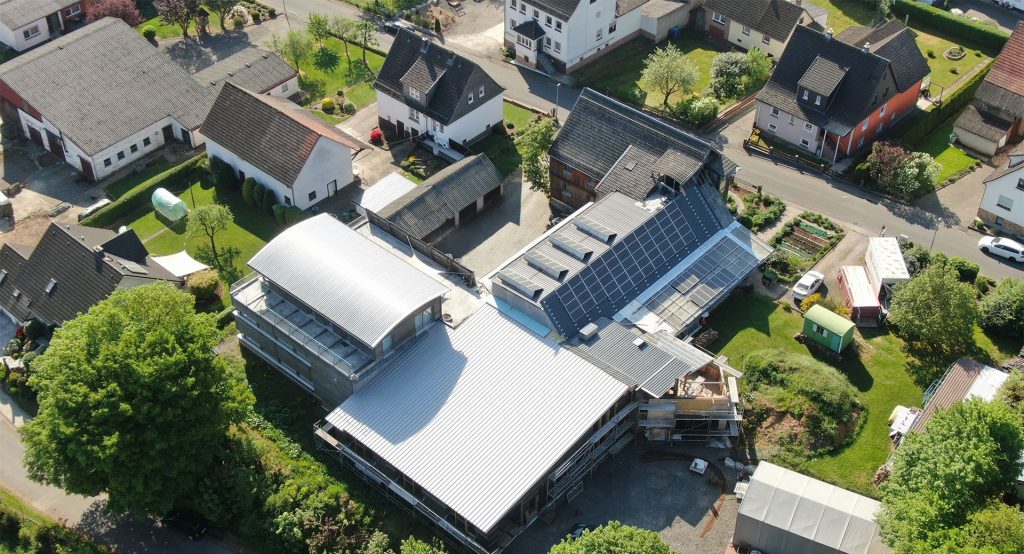
Expansion of the Rosenthal Production Site
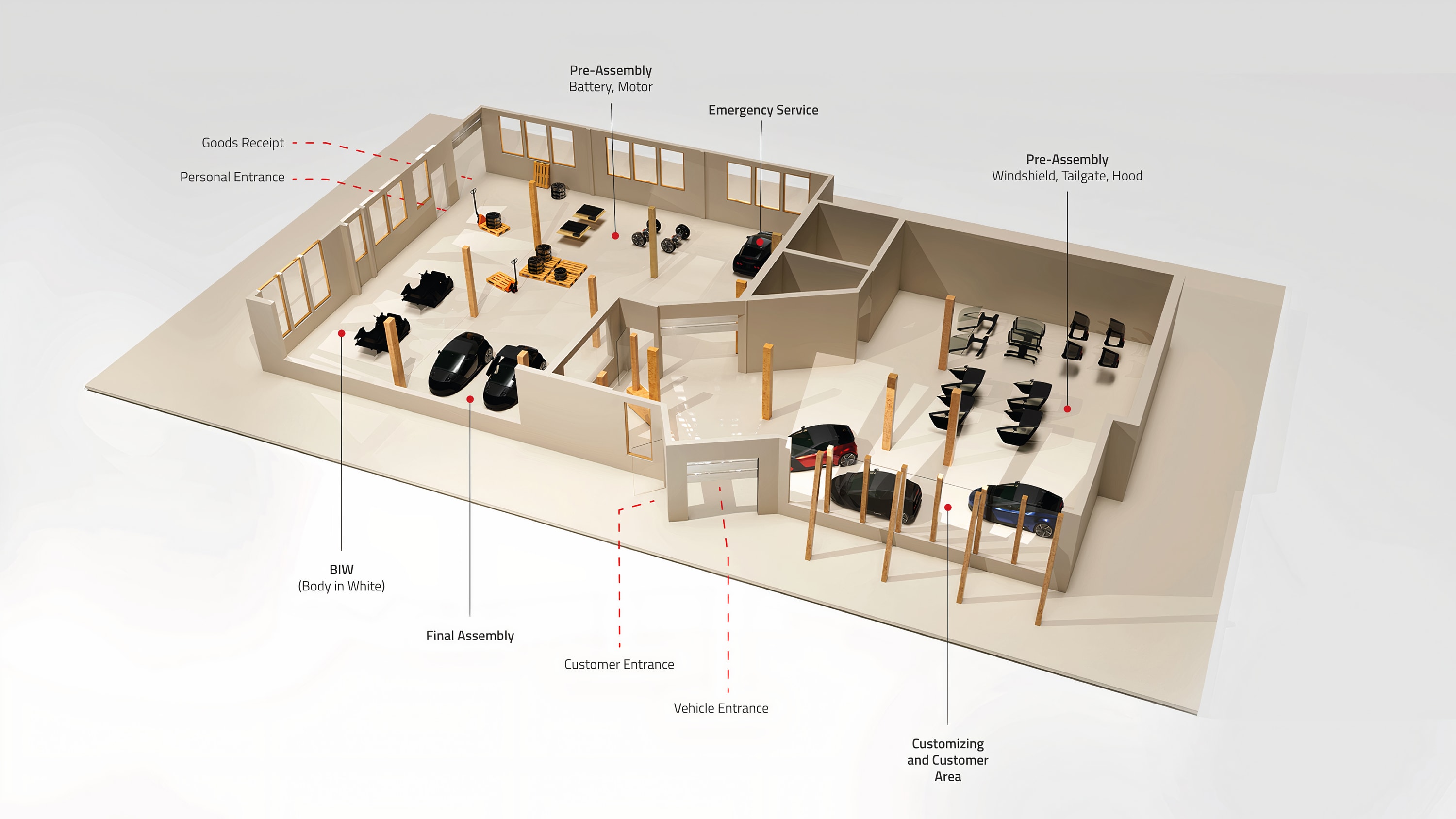
The Rosenthal site is expanded by approximately 300 square meters of production space.
The new hall provides additional capacity for logistics, pre-assembly, and final assembly of the TWIKE 5.
Its sustainable construction includes a timber-frame structure, cellulose insulation, and a rooftop photovoltaic system.
The site thus gradually develops from a development and service center into a manufactory prepared for planned small-series production.
2023
The First Driving Test Vehicle Takes to the Road
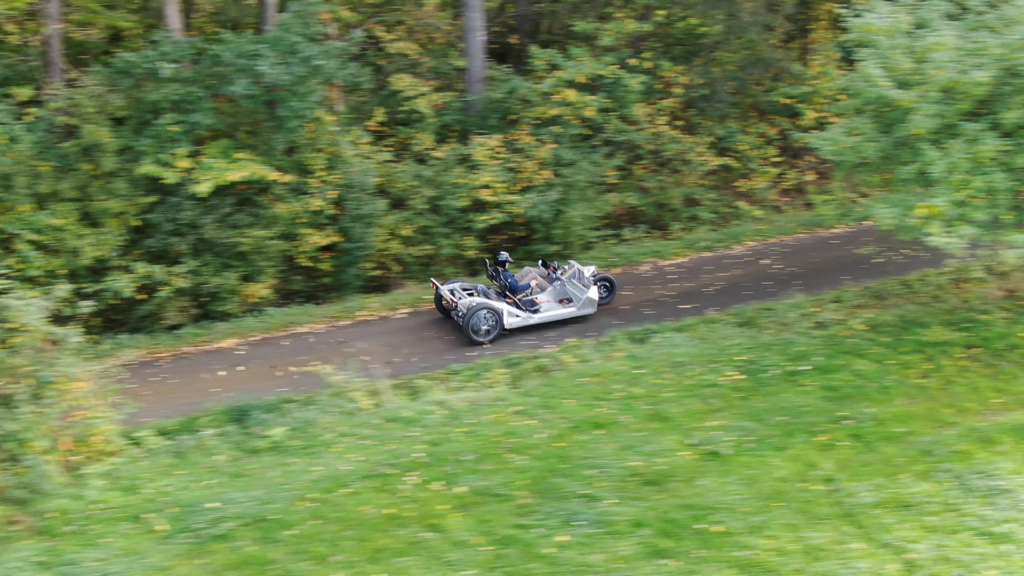
In October 2023, the first driving test vehicle—known internally as the FET—is commissioned.
The roadworthy base vehicle combines the frame, chassis, drive, electrical and electronic systems, and vehicle software.
Practical testing of the drive, steering, suspension, and driving dynamics begins.
The results enable further component tuning and provide the basis for the next, more production-oriented development stage.
2024
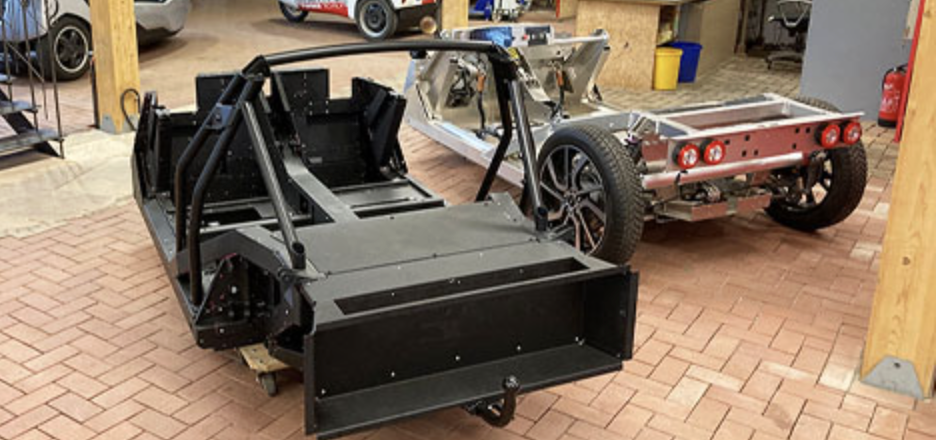
The First Production-Oriented Body in Black Is Built
Following intensive development work, the first TWIKE 5 frame was manufactured. Unlike a conventional Body in White, the aluminium panels intended for series production are anodised black before assembly—hence TWIKE’s term ‘Body in Black’.
2025
The Second Driving Test Vehicle Expands the Test Program
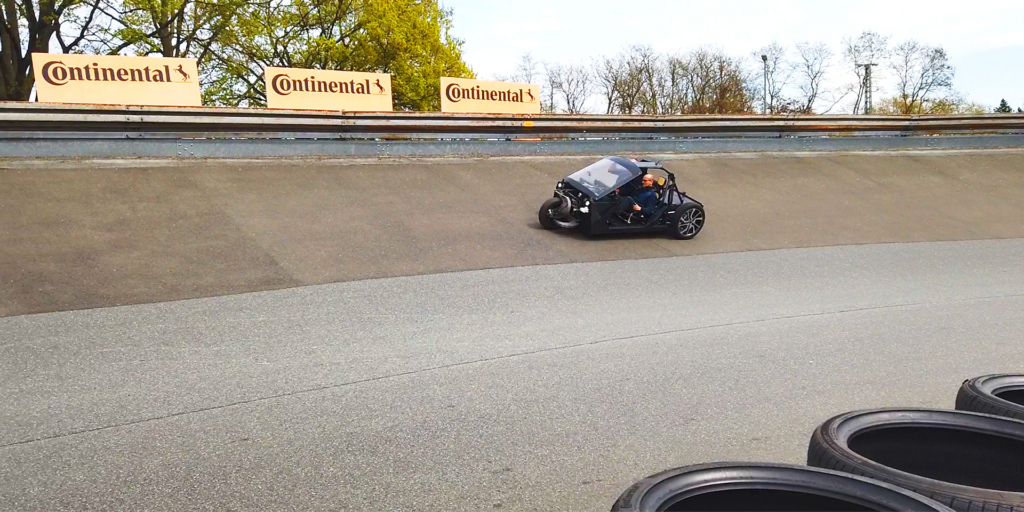
In February 2025, the second and significantly more production-oriented driving test vehicle is completed.
The vehicle, known as the Black FET, enables more demanding driving-dynamics tests on closed test tracks.
Testing includes acceleration, regenerative braking, cornering behavior, and stability at higher speeds.
At the same time, further airflow simulations are used to optimize and validate the vehicle’s aerodynamics.
2026
Finalization and Preparation for Small-Series Production
Development enters its final phase.
The existing CAD data are transferred to the cloud-based Onshape platform and connected with an integrated data structure supporting purchasing, the bill of materials, and production preparation.
Further test and demonstration drives are carried out under varying conditions.
The driving test vehicle demonstrates stable road behavior, agile acceleration, and highly effective regenerative braking.
Technical consolidation, preparation for homologation, and industrialization remain the central next steps on the way to small-series production.
Built locally. Driven globally.
TWIKE’s commitment to sustainable local manufacturing.
TWIKE’s local manufacturing approach:
TWIKE vehicles are built in small production runs in Germany, with a strong focus on local suppliers, short transport routes, and sustainable materials. This approach reflects a growing shift in the small-scale automotive industry—where innovation, quality, and environmental responsibility take priority over mass production. By staying local, TWIKE ensures transparency, fair labor, and a lower ecological footprint—while delivering a vehicle that’s ready for the world.
Invest in Sustainability
Invest in TWIKE GmbH and support the development of highly efficient electric mobility.
Join the Mobility Revolution
Join the TWIKE team and be part of a movement shaping the future of sustainable mobility. We are looking for passionate innovators who want to make a real impact—dynamic, forward-thinking, and ready to drive change.