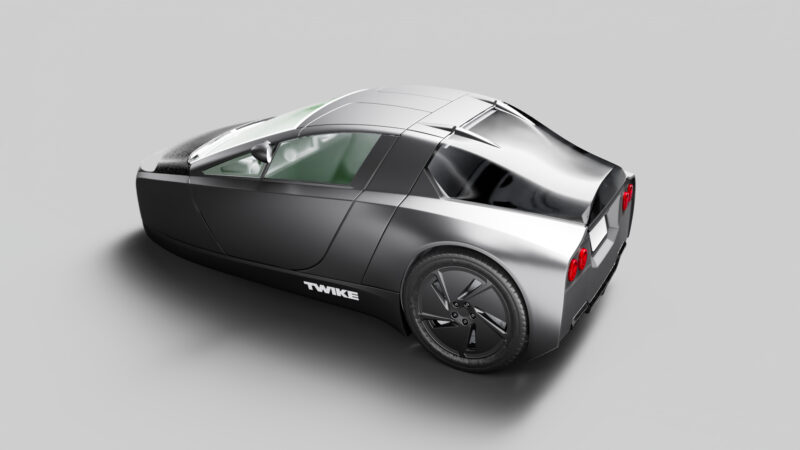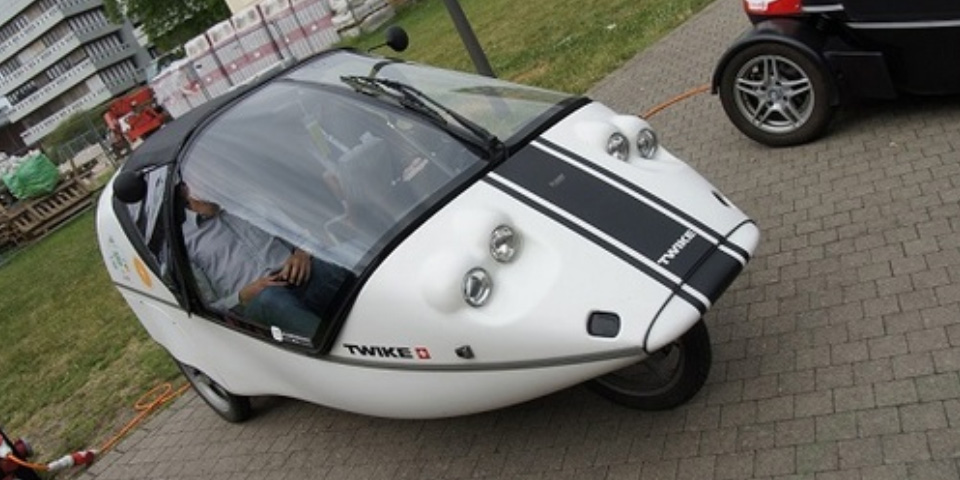
Scientists at Paderborn University are working on hybrid systems for motor vehicles
Forest fires, dried-up lakes, drinking water shortages: Germany in 2018. The extent of global warming is devastating and, with temperatures of up to 39 degrees Celsius, is showing a hitherto unknown side. One of the culprits: the car. “We have to change something, and quickly,” says Prof. Dr. Thomas Tröster from the NRW Research Training Group “Light – Efficient – Mobile” at Paderborn University. The scientist is working on so-called hybrid systems for motor vehicles – for the benefit of climate protection.
“Hybrid systems are made up of different materials. These can be steel and fiber-reinforced plastics, for example. Ultralight components serve to reduce the mass of a car and thus lower fuel consumption and the emission of climate-damaging exhaust gases,” says Tröster, spokesperson for the college. A rule of thumb, explains the expert, is that a weight reduction of 100 kilograms per 100 kilometers saves around 0.3 liters of fuel. “That effectively means around eight grams of CO2 less per kilometer. Electric vehicles can also reduce power consumption through lightweight construction.”
Data from the European Environment Agency suggest that new cars registered in the EU in 2017 emit on average 0.4 grams of carbon dioxide (CO2) per kilometer more than vehicles registered in the previous year. “These figures fall well short of the EU’s climate protection target of 95 grams per kilometer for 2021,” criticizes Tröster. According to the Federal Environment Agency, 2017 cars emit around 120 grams/km. But that’s not all: “In addition to climate-damaging carbon dioxide, emissions also include nitrogen oxides, benzene, carbon monoxide, ammonia, and sulfur dioxide—all of which are harmful to the environment,” the scientist continues. Added to this are particulate matter levels, which could also be reduced through the use of lightweight construction in automobiles. “Particulate matter is caused by tire abrasion. The lower the mass causing the abrasion, the lower the impact on the environment.”
On “World Overshoot Day”, the research organization “Global Footprint” made a shocking announcement: Mankind has already completely used up the naturally available resources. Tröster comments: “This is precisely why the economical use of raw materials is becoming increasingly important. He sees a way out by reducing global fuel consumption. “This can save raw materials and reduce CO2 emissions. One effective measure to reduce fuel consumption in cars is to reduce the weight of the vehicle using lightweight materials.”
Source: oekonews.at