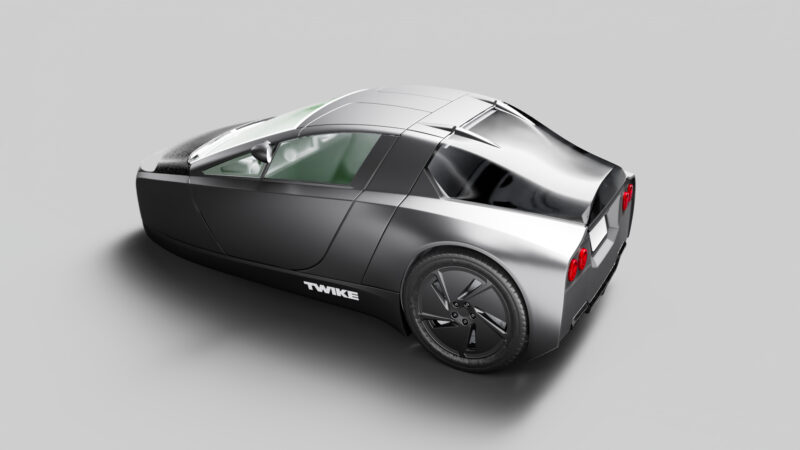
A few weeks ago, we reported on the TWIKE 5. The somewhat different electric mobility. The futuristic two-seater is not so much a “car” as a kind of cross between a bike and a car. The handling of the vehicle is accordingly. There is no steering wheel, but just as you would expect on a bike – pedals. If you want to know more about it, head over to our article.
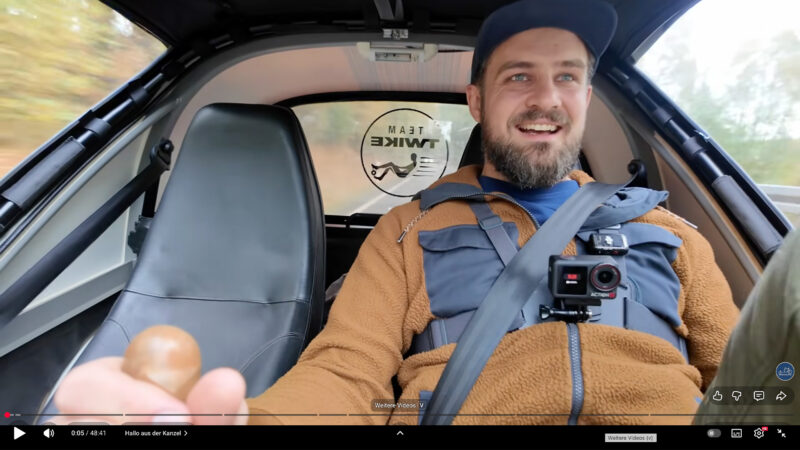
This is about the operation of the TWIKE
Despite all the advantages of electromobility, one thing (currently) always remains a flaw: a lot depends on how the energy that powers the vehicle is generated. Some people simply don’t want to accept that the energy mix in Germany is not really “green”. Too many coal-fired power plants for the base load simply ruin the balance.
How big does the solar system need to be?
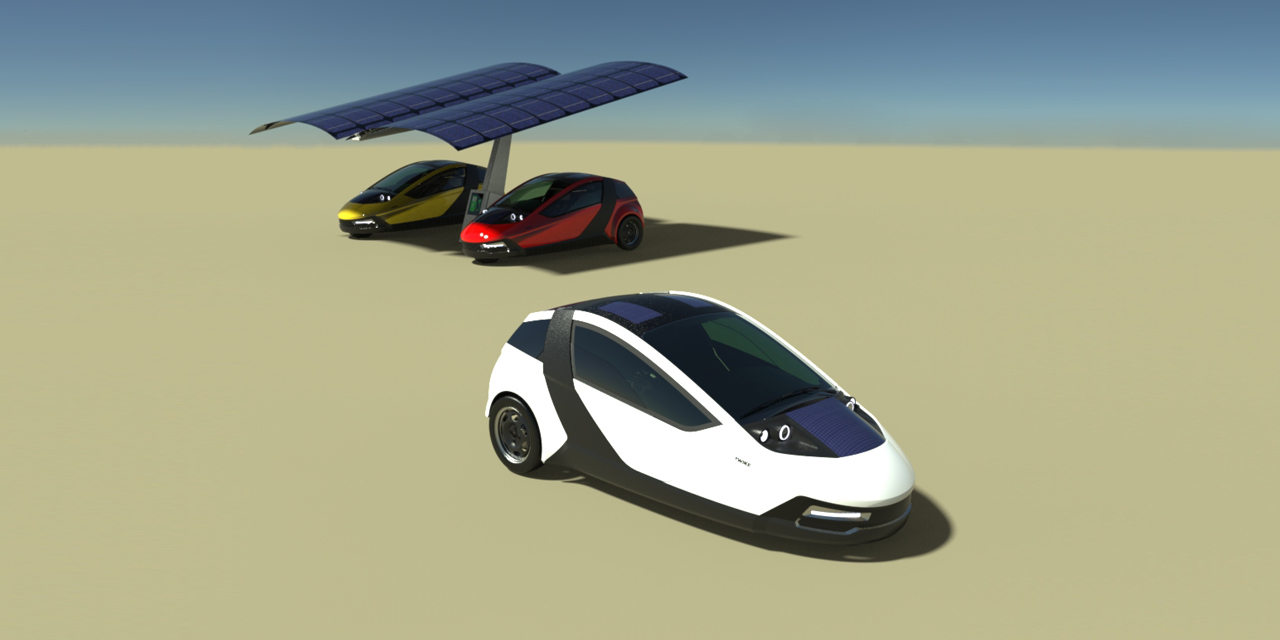
It is logical that many people are interested in solar systems to make electromobility more ecological and climate-neutral. It has now been calculated that for 15,000 km of annual mileage with a TWIKE 5, you only need around 6 square meters of solar surface to generate clean driving electricity.
How does this figure come about? Due to the TWIKE 5’s low consumption of around 8 kWh/100 km, a total energy requirement of around 1,200 kWh is needed. With a normal 6 m² photovoltaic system (1 kWp), this can be generated in the same period of time with a good, shadow-free orientation.
Why no solar cells on the vehicle?
In theory, this would certainly work – after all, the SION from SONO MOTORS and the Dutch Lightyear are already vehicles that use this principle. The TWIKE 5 also has a certain amount of space available for solar cells. With low daily mileage, it would be possible to reduce the amount of electricity drawn from the socket.
However, the vehicle must then literally stand in the sun. This, in turn, is counterproductive for cooling the vehicle on hot days. Of course, the energy generated by the solar panel can do this, but then there is less energy left over for charging the battery.
Solar surfaces also mean more weight
On the other hand, there is not as much space for solar panels on the TWIKE 5, which benefits the weight in particular. This is because the reduced energy consumption of the vehicle is partly due to its low weight. What should also not be underestimated: solar panels on the vehicle are expensive, lead to additional costs in the event of an accident and, of course, the corresponding insurance premium should not be underestimated. Nevertheless, the manufacturer already provides cut-outs for retrofitting photovoltaics in the vehicle surface.
In other words: solar power, wind power and hydropower are the order of the day here. And then it really is like this: more eco is almost impossible.
Source: e-engine.de/twike-und-solarenergie-mehr-oeko-geht-fast-nicht