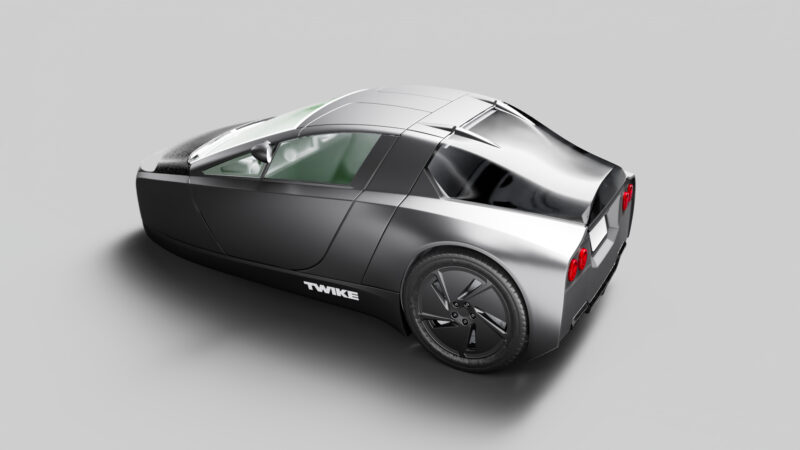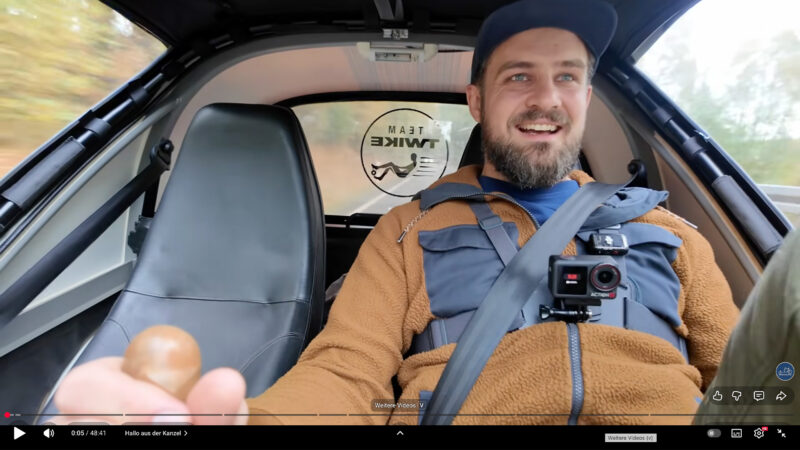
The manufacturer of the three-wheeled light electric vehicle Twike has announced that it has reached the funding target for its next generation of vehicles. The necessary financing of two million euros has now been received for the further development of the latest Twike 5 model. The capital was collected via community funding from future buyers.
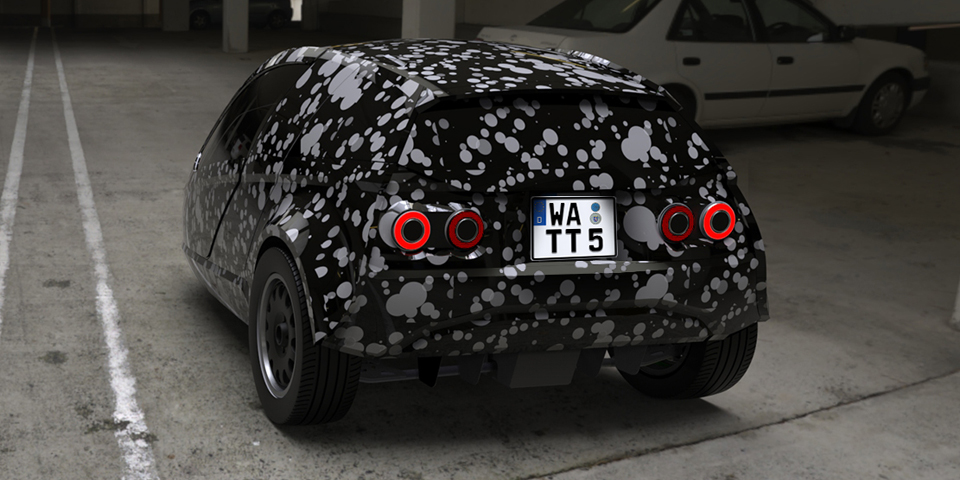
The Twike 5 is limited to a series of 500 vehicles, with 200 vehicles to be produced per year. Now that the financing has been secured, the production phase can be prepared, according to the manufacturer. Initially, the first prototypes are to be built, which will cover practical kilometers on the road while still camouflaged and thus confirm the design of the drive and chassis components. New prototype photos provide an up-to-date preview of the design.
As with the Twike 3, which has been in production for over 20 years, the developers have opted for an integrated pedal system for the Twike 5. The maximum speed of 190 km/h is significantly higher. “However, the exaggeration is part of the program, as at first glance no one would assume that a 500 kg electric tricycle can be safely driven even at high speeds,” the developers note. The aim of the new model is to demonstrate the performance of the chassis concept specially developed for this tricycle principle.
The development of the Twike 5 will benefit another model that is already in the planning stage. This version, with less power and a more affordable price, is to be marketed more widely in larger series. According to the manufacturer, there are already 700 applicants for the Twike 5, which will be launched before it. Anyone who is not allocated one of the planned 500 Twike 5s can use their reservation for the subsequent Twike 6 generation vehicles.
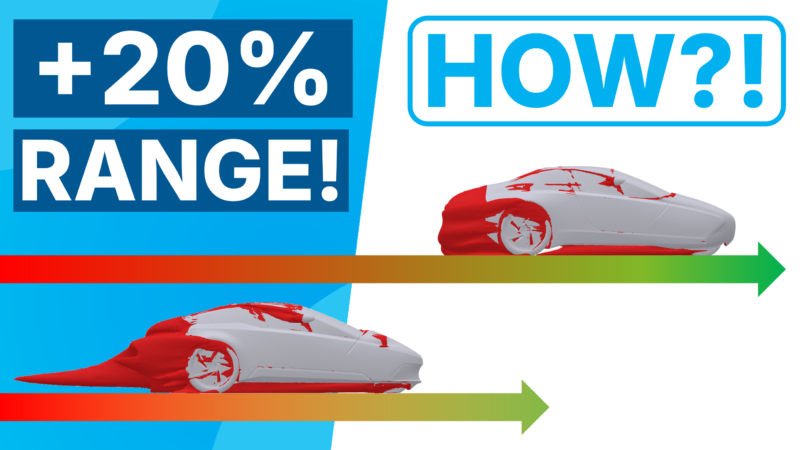
The Twike 5 will be available with batteries of different sizes, the capacity of which will determine not only the range but also the maximum power available from the electric motor. For the smallest battery size, the provider promises a speed of around 120 km/h and a range of over 150 kilometers. With the largest battery, more than 190 km/h and a range of over 500 kilometers should be possible.
Source: Ecomento.de