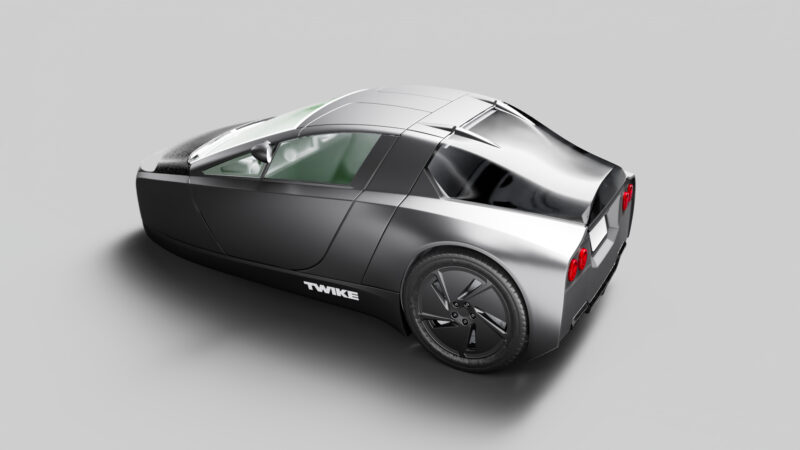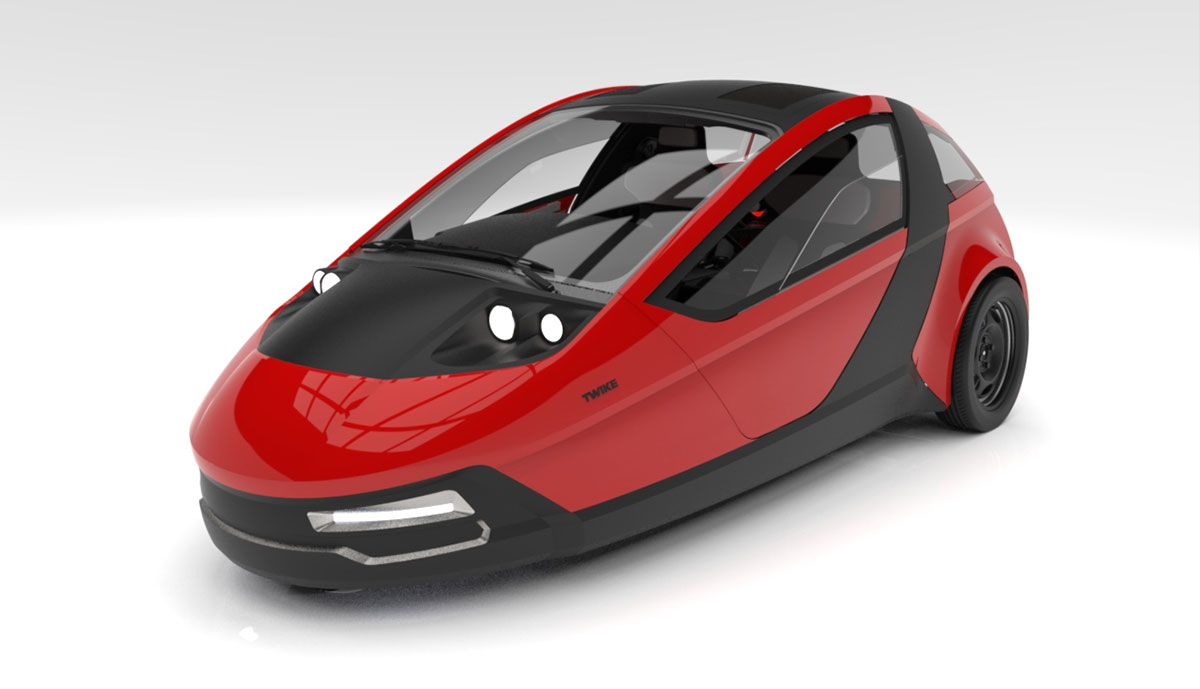
The Twike 5 electric vehicle is set to replace the Twike 3. At first glance, it looks like a car, although like its predecessor it is a tricycle.
The Twike 3 is already a little classic in the world of electric vehicles. The electric bike with a body and two side-by-side seats has been in production since 1995. Almost 1100 units have been sold to date, and it’s not over yet. Originally based in Switzerland and also built there, Fine Mobile GmbH from Rosenthal in northern Hesse has owned the rights to the hybrid of bicycle and automobile since 2002.

Boris Schmidt
Editor in the “Technology and Motor” department.
After initially producing around 50 Twikes by hand in Rosenthal each year, there are currently ten left. However, Fine boss Martin Möscheid, who raised the small production facility together with his brother on his parents’ farm, which is no longer in use, is aiming even higher. In preparation is the Twike 5, which is much more elaborately designed and at first glance looks like a car, although like the Twike 3 it is a tricycle and falls into the European registration category L5e. This means that there are no performance restrictions and theoretically no weight limit either, with a kerb weight of around 500 kilograms and a permissible total weight of 750 kilograms being the development target.
After the intermediate step of Twike 4, a drivable prototype in which 750,000 euros were invested, the Twike 5 is now close to being ready for series production. The first prototype is due to be on the road in October. 500 units are to be built, almost 90 have been pre-ordered and paid for. The Twike 3 is and has only ever been built to order. In the nineties, you had to pay 20,000 francs or Deutschmarks in Switzerland. Möscheid still wants to wait until two million euros have been collected; the counter currently stands at 1.3 million euros. Both the Twike 3, which costs at least 25,000 euros, and the Twike 5 are pure collectors’ vehicles. If only because of the high prices, due to the manual work and the small series.
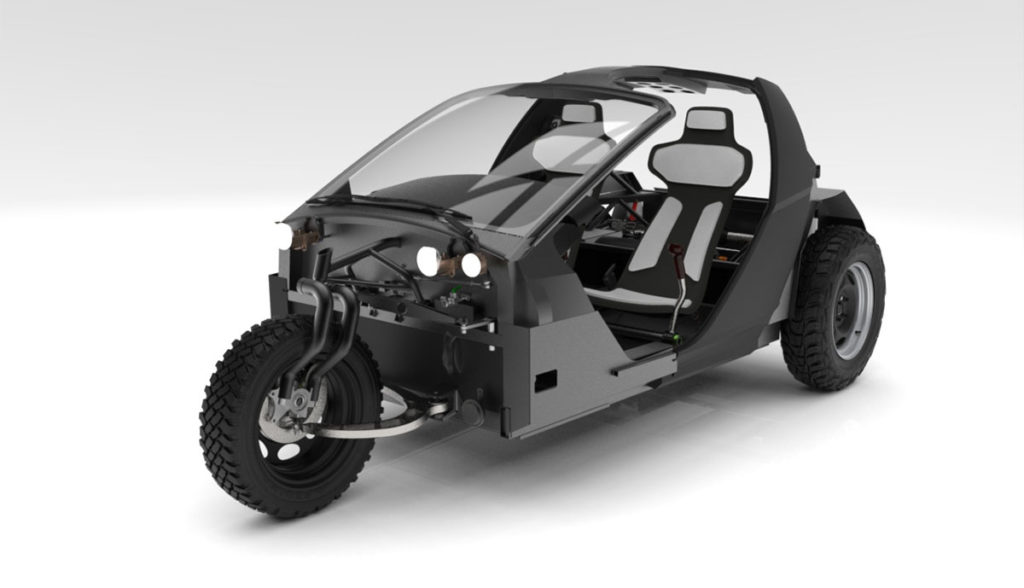
The base price for the Twike 5 will be around 39,000 euros, but it is worlds apart from the Twike 3. Instead of a maximum speed of 85 km/h, a top speed of up to 190 km/h is theoretically conceivable, but the maximum speed will probably be limited to 120 or 130 km/h. The rear wheels are driven by an electric motor with a rated output of 45 kW, the body is made of an aluminum spaceframe construction with a fiber composite outer skin (flax and carbon). The battery, which has a capacity of up to 30 kWh depending on the design and weighs around 120 kilos, sits in a flat box in the vehicle floor that is around twelve centimetres high and around one square meter in size. This enables a range of around 500 kilometers. Like the Twike 3, the successor still has pedals, but there is no direct connection to the drive. When you pedal, you produce electricity that benefits the batteries.
What is missing is a classic steering wheel. This is also a tradition. The Twike 3 is steered with a pole and the right hand, which takes some getting used to, but is not witchcraft. “No Twike leaves Rosenthal without two hours of instruction,” says Möscheid. You accelerate and recuperate using buttons on the handlebars. In addition, the “back pedal” with the pedals acts as a foot brake. While the Twike 3 can be moved on level ground using muscle power, this is no longer possible with the Twike 5. And in future it will be steered with two bars, left and right.
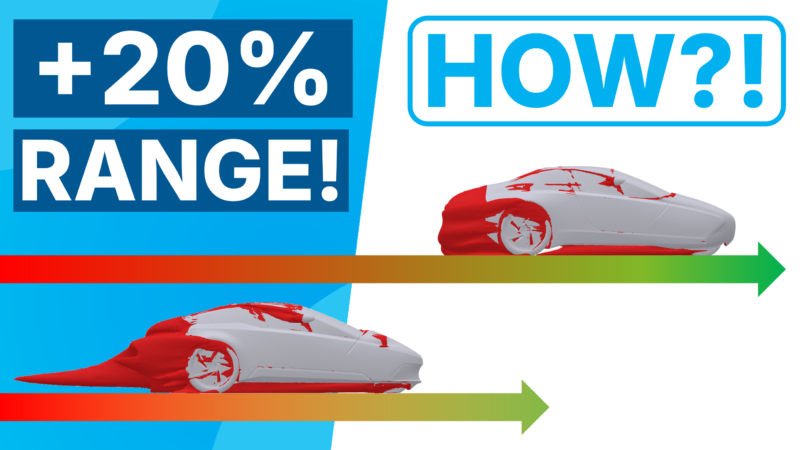
Instead of a moped wheel at the front and larger Smart wheels at the rear, the Twike 5 has 145/65 tires at the front and 165/60 at the rear. The aim is to achieve a drag coefficient (drag coefficient) of 0.24. Professor Lutz Fügener from Pforzheim University is assisting with the design. A lot of emphasis is being placed on local value creation, says Möscheid. As with the Twike 3, many of the suppliers come from Germany, the body is made in Neuwied and the batteries have to be sourced internationally, of course. Although the Twike 5 is certainly a very ambitious project, the fifty-two-year-old remains modest. He will hire three new people when production begins and reorganize the premises in the farmhouse. It will take three days at one workstation per Twike 5, so that in purely mathematical terms, one tricycle per day can be planned. Möscheid, who trained as a vehicle mechanic and later studied mechanical engineering, is optimistic that the money will be raised. They are already more than halfway there.
The Twike fan base is very large and the Twike 5 is the logical next step. It is also easier to get in, the front hood folds upwards like a motorcycle helmet – to a garage-friendly 1.95 meters. One of his customers has now switched to a conventional electric car simply because he is no longer agile enough to slip into the small Twike 3 at an advanced age. And nobody has to worry about not getting a Twike once the 500 units have been sold. They are already working on the Twike 6.
Source: F.A.Z.