heise.de, 11.10.2022
Whether purely electric or with pedal assistance, for transporting people or as a packhorse – electric light vehicles are an often overlooked but rapidly growing vehicle segment. Put simply, they are anything faster than 25 km/h and lighter than 600 kg – excluding batteries (i.e., everything between a pedelec and a “normal” car, but always usable without a car driver’s license). In official language: registration classes L1e to L7e. We present a few examples.
Citroën Ami: A friend, a good friend
Citroën Ami – wasn’t there something about that? In 1961, the French company unveiled a sedan with a, shall we say, controversial design. Nevertheless, the L’Ami Six was a huge success. Now Citroën is venturing into a successor. The “friend” is an uncompromising electric city car for two people with asymmetrically hinged doors and lots of hard plastic inside. Because the flea can only reach speeds of up to 45 km/h, even 15-year-olds are allowed to drive it. There is also a transporter version without a passenger seat and a buggy as a near-series study. The range is 75 kilometers, which is suitable for city driving. The Ami is not available in Germany; Opel offers the structurally identical Rocks-e here.
Xbus: A all-rounder
Modular? No other electric vehicle embodies this attribute as much as the Xbus from Electric Brands in Itzehoe. The platform, which is also available in an off-road version, allows various modules to be combined into nine different configurations – all just 3.95 meters long and classified as light vehicles. There are also plenty of other options, such as battery packs and a solar roof. Modules can be exchanged and rented through a dealer network, for example the camper module for vacations.
Squad: The buggy for the city
Okay, let’s leave the design aside for now. But the Squad is certainly practical. The two-meter vehicle draws its energy directly from the sun via a solar module on the roof. That should be enough for 20 kilometers a day – enough for trips to daycare or shopping. The batteries can be replaced for additional range. The Dutch company wants to offer a battery wall as an option for sharing services, which can charge up to ten replaceable battery packs. Inside, Squad has thought of useful details, even including a niche for a notebook. The basic version comes without doors – for a buggy feeling in the city.
Evetta: The Isetta clone clone
Electric Brands again: After the dispute between contract manufacturer Artega and Microlino (see below) was settled in court, Artega attempted to launch its own electric Isetta clone under the name Karo – and failed. Now Electric Brands wants to launch the concept in 2023 under the name Evetta. The design and technology are similar to the Microlino, and Evetta will be manufactured in Göttingen. In the first year, 30,000 vehicles are expected to be produced, including the special edition Openair convertible.
Veload: Front pedal, rear stack
Veload is a—well, what exactly? A bicycle? Or a pickup truck? Somehow, it’s both: there are two seats with pedals at the front, like on a recumbent bike, and a large loading area at the rear that can hold a Euro pallet and lots of beverage crates—the maximum load is 200 kilograms, or 300 kilograms including the rider. To avoid having to pedal too hard, there is electric assistance for up to 60 kilometers. The start-up from Kassel is currently developing a version with a solar roof through crowdfunding, and there is also a lockable box. The founders say that the multifunctional vehicle enables climate-neutral logistics in the city.
HopOn: Taxation while standing
Lizard, Ant, Multicar: Older people from eastern Germany still remember these names. These were small flatbed trucks with a standing cab at the front, steered using footboards by shifting weight. The concept has now been revived in the HopOn. Carit Automotive GmbH from Münster sees it as an ideal delivery vehicle that can carry up to 250 kilograms at 30 km/h through the city, with a range of up to 90 kilometers on a single battery charge. When it comes to steering, HopOn breaks with its historical predecessors: it is steered from the rear with a steering wheel and foot pedals. The steering position can be folded away so that the electric cart fits into a larger trunk.
TWIKE 5: Cycling with Tempo 190
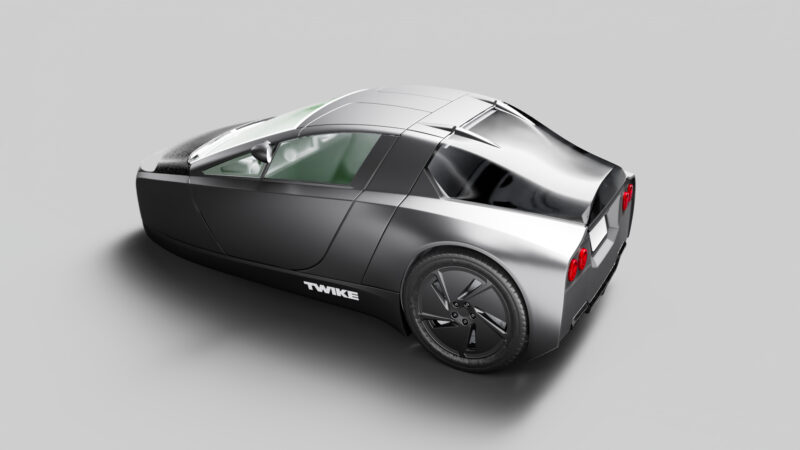
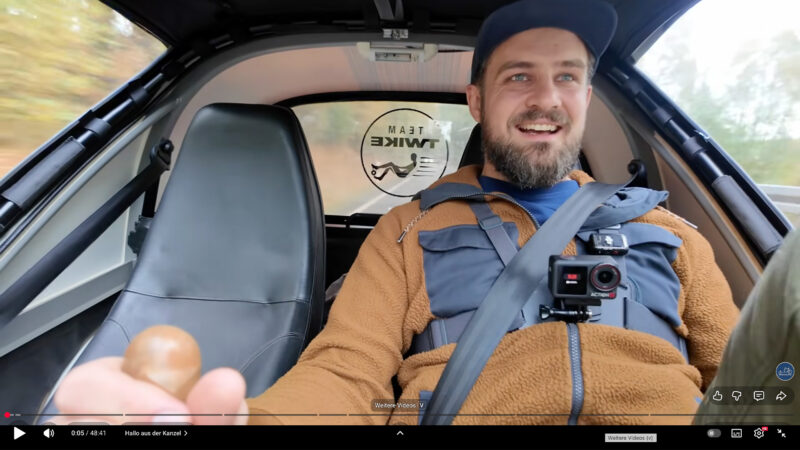
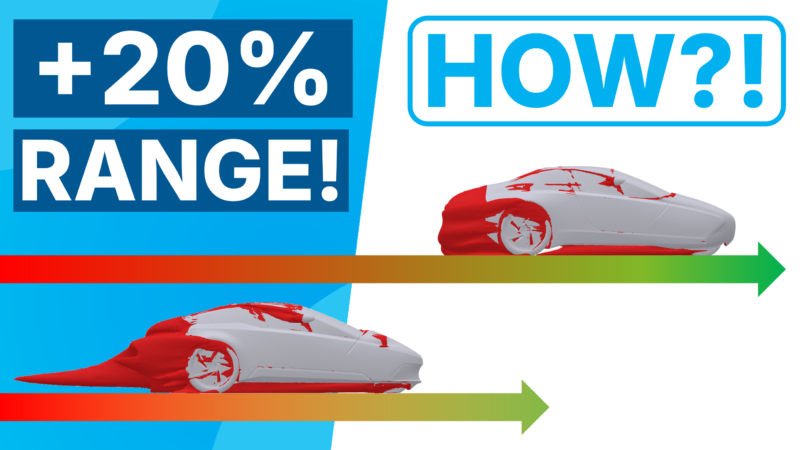
TWIKE’s lightweight three-wheeled e-bikes, which also run purely on electricity, have been around since the mid-1990s. Now the manufacturer in Rosenthal has unveiled the TWIKE 5. The aerodynamic speedster is said to reach speeds of up to 190 km/h and have a range of 500 kilometers. The new version retains the sidestick steering and pedal drive from its predecessor, although the latter is more for physical exercise than propulsion.
Microlino: A bubble car electric vehicle
Actually it is the from fun arose. The Swiss founders Oliver Ouboter with his sons Wim and Merlin Ouboter had developed a toy fair a “bubble car” for children presented. The model 1:5 was well received and so ventured itself the team took it to car shows. On a reversal list that was drawn up, there were then 400 interested parties. “That’s when we knew: The idea has potential,” says Wim Ouboter. Today’s two-seater 2.0 is modeled after the BMW Isetta (bubble car). The developers give a range of up to 200 kilometers and a top speed of 90 km/h. In Switzerland the first electric a69> electric light vehicle has already been delivered to the first customers in Switzerland. It is scheduled to arrive in Germany in October 2022.