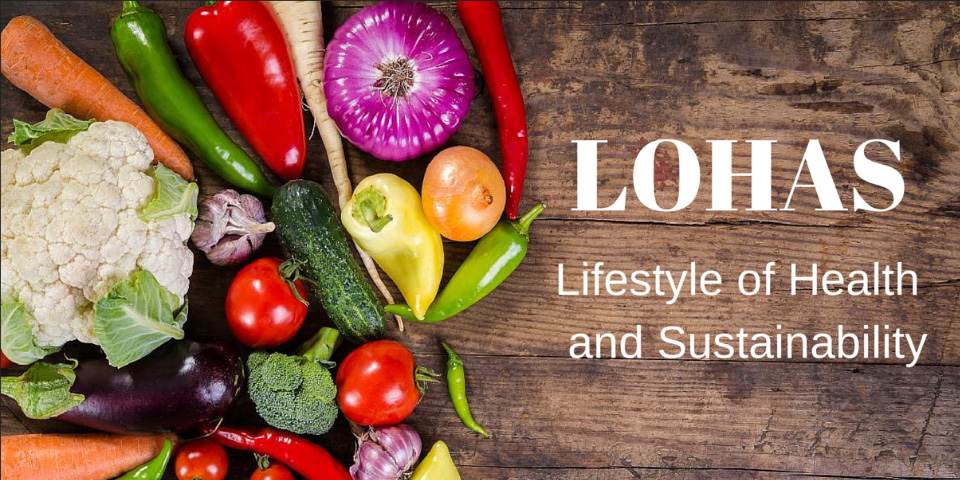
Is your company LOHAS-focused? If it consistently offers healthy, sustainably produced food, then it is following a trend that many people and companies around the world are pursuing. LOHAS – an acronym for Lifestyle of Health and Sustainability – describes a demographic population group whose purchasing decisions are based on issues such as environmental sustainability, social responsibility and personal fitness are based.
LOHAS consumers are generally financially well off, but are not necessarily among the wealthiest consumers; rather, health and sustainability issues often take precedence over cost and convenience in their shopping and eating habits. Many LOHAS consumers, for example, are willing to spend more money on organic vegetables or travel longer distances to purchase them because they believe that the health and social benefits of buying organic are more important than the cost savings.
It is not surprising that LOHAS spending declines during difficult economic times such as the 2008 recession. However, with the economic recovery, LOHAS spending has risen again. One industry group estimates that 13 to 19% of the American population can be considered LOHAS consumers; that is one in four adults, or nearly 41 million people. In a company of any size, a certain percentage of LOHAS consumers is almost certain.
The LOHAS-oriented food shopping of people can vary depending on their priorities. For many people, organic food is of paramount importance, which is also reflected in the growth of the organic food movement. For others, avoiding genetically modified organisms (GMOs) is of paramount importance. Still others pay attention to the sustainability of food and avoid foods (such as certain fish) that are overharvested. For some people, the social impact of food is most important; they choose fair trade coffee, for example, or avoid foods (such as beef and coffee) that require deforestation. For many of these LOHAS decisions, third-party organizations offer labels that show that their products comply with these principles.
For some LOHAS customers, the focus is not on the food itself, but on the packaging. These consumers place greater value on environmental responsibility and actively avoid foods with excessive packaging made of plastic, paper, and other disposable items. These environmentally conscious consumers are more likely to bring a meal from home to avoid physical waste, even if buying food at work is more convenient.