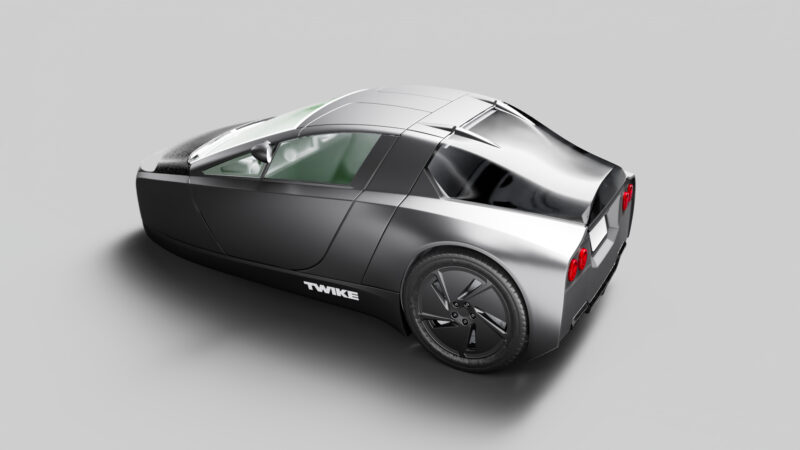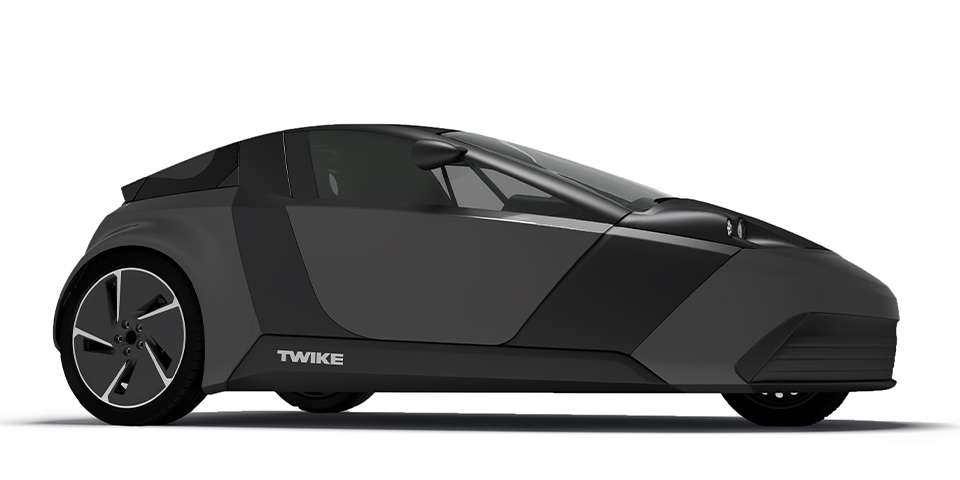
Electric drive for the electrified recumbent comes from Vitesco (formerly Continental Powertrain)
Series production of the TWIKE 5 postponed: The three-wheeled electric vehicle, which was originally due to be launched in 2021, will now only be produced in small series from mid-2022. According to the current state of development, the electrified recumbent bike will sprint to 100 km/h in 3.8 seconds and reach a top speed of 190 km/h.
Above all , however, the TWIKE 5 is characterized by its high efficiency. The WLTP power consumption is said to be just 6.9 kWh/100 km. This makes ranges of more than 400 kilometers possible – the TWIKE website even mentions over 500 km. This refers to the largest battery on offer (30 kWh).
The electric drive for the unusual vehicle comes from Vitesco. The supplier operated as Continental’s drive division until 2019. A system called EMR3 is used in the TWIKE 5. The third generation of the EMR (Electronics Motor Reducer) combines a permanent magnet synchronous motor (PSM), power electronics (inverter) and a reduction gearbox (reducer). The system mobilizes 150 kW and up to 2,900 Nm of torque.
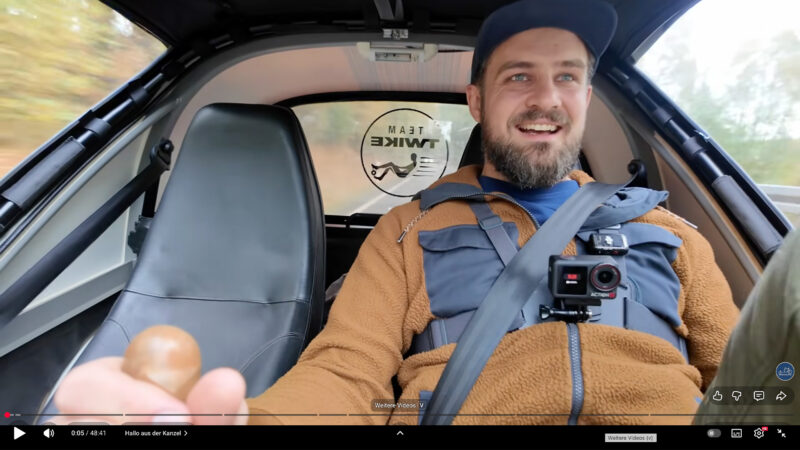
TWIKE 5 picture gallery (as of 2021)
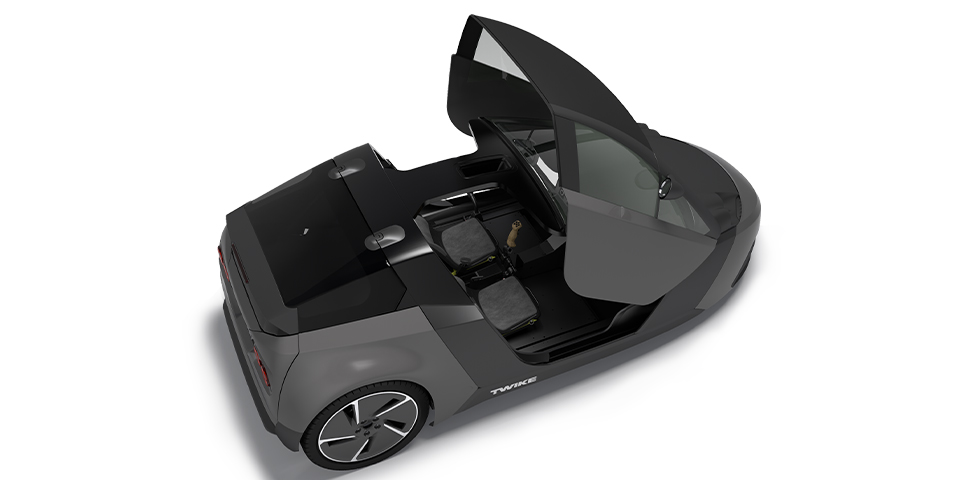
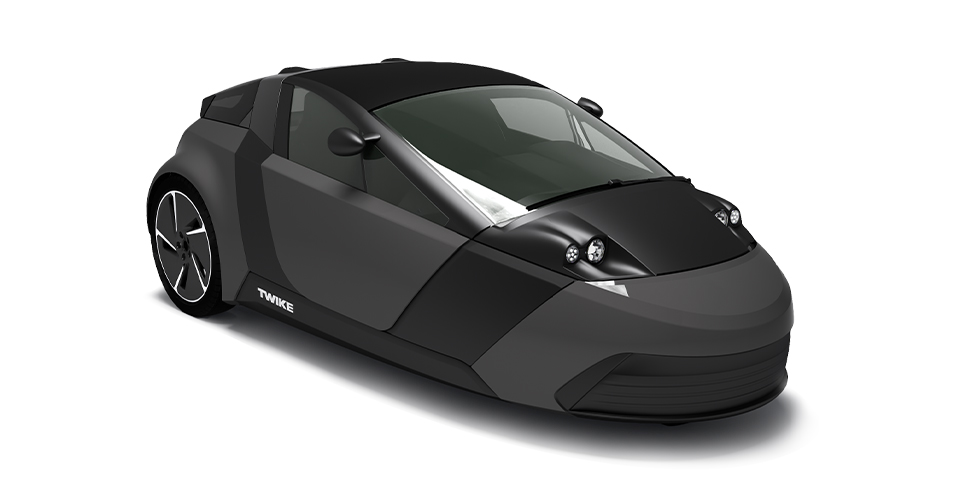
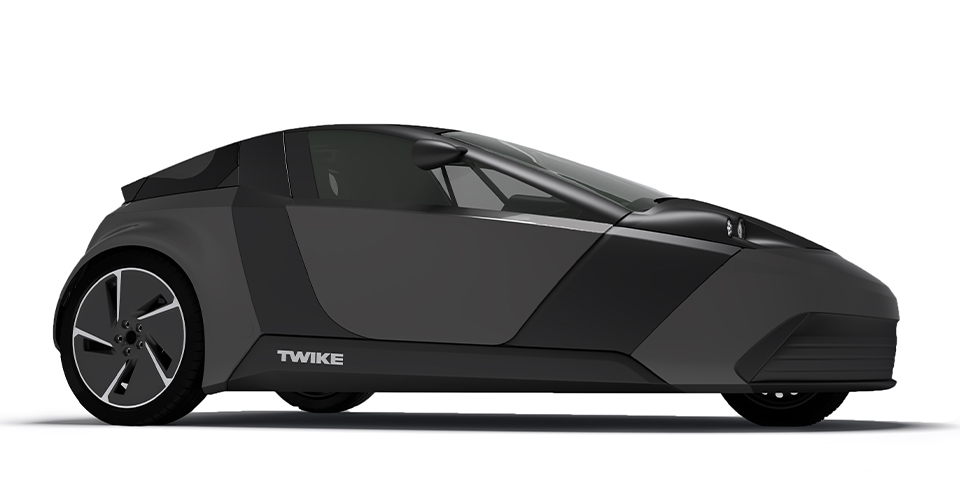
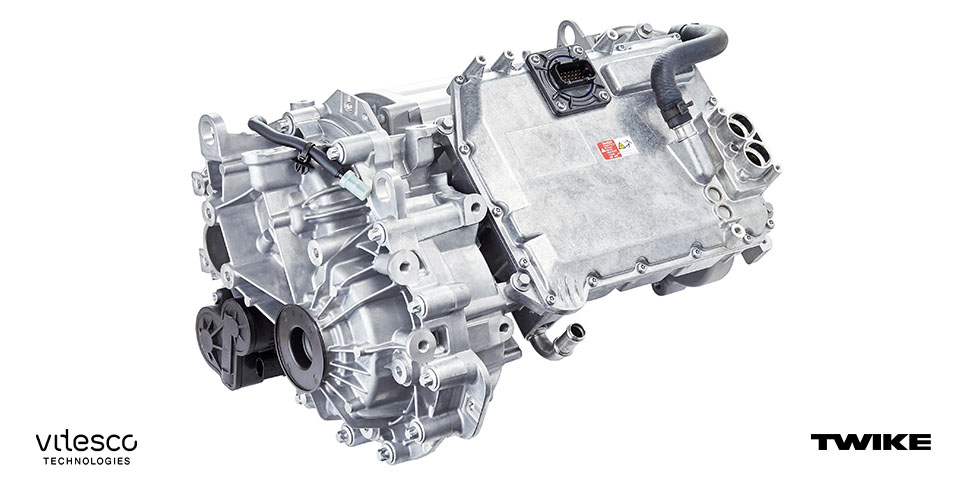
However, the TWIKE 5 apparently does not use the full power of the drive. The vehicle should only have 70 kW of power and 1,800 Nm of torque at the drive axle. One of the advantages of the drive is its low weight and small size: it weighs just 76 kilos and its dimensions (40x35x55 cm) are barely larger than an airplane on-board case.
With its use in the TWIKE 5 , the drive is being used outside the passenger car sector for the first time. According to Vitesco Technologies, the EMR3 system has already been used in over 20 passenger car models from European and Asian manufacturers.
” Inaddition to performance, efficiency was also of key importance to us,” says TWIKE CEO Martin Moescheid. “The EMR3 is highly efficient in all load ranges, allowing us to achieve very low consumption values. In addition , this drive unit is particularly lightweight, extremely robust and easy to adapt. The fact that high-quality series production is already underwayalso contributed significantly to our decision.”
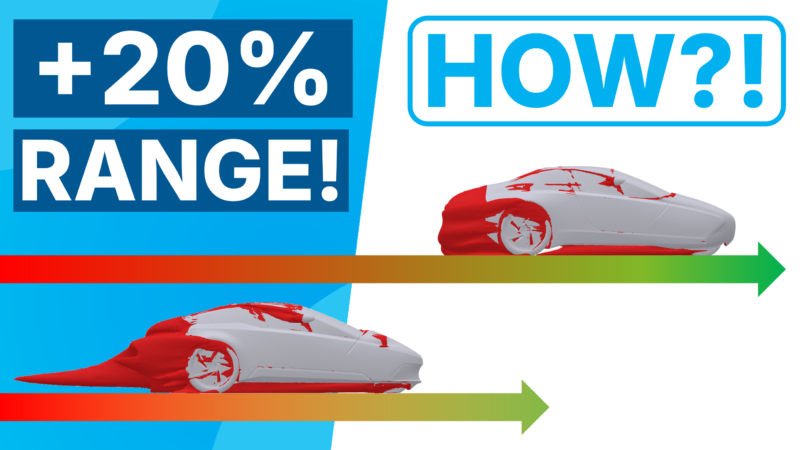
TWIKE has apparently not yet decided on the batteries. The limited availability apparently does not make the choice any easier. The company is apparently considering switching to a “robust but smaller capacity battery cell”, as the company writes. Possibly LFP cells are meant. In any case, the foreseeably lower storage capacity is also the reason for increased fine-tuning in terms of aerodynamics: the aim is to achieve a drag coefficient of 0.21, which could reduce power consumption to 6.5 kWh/100 km.
The TWIKE – a portmanteau of twin and bike – goes back to students at ETH Zurich, who developed the first prototype of the closed recumbent bike in 1986. The pedals are still on board today. While the predecessor model TWIKE 3 used them to mechanically support the electric drive, the pedal power on the TWIKE 5 is used to generate electricity for the electric motor.
Source: insideevs.de