The shock was profound at the end of last summer. The battery cell in 18650 format carefully selected for use in the TWIKE 5 was discontinued from one day to the next without any prior notice – after all, we had deliberately opted for this high-quality industry standard for the TWIKE 3 back in 2007, and its capacity improved significantly in the following years.
However, the more demanding application requirements in the TWIKE 5 reduced the number of possible suppliers to three cell providers. Only two were willing to look deep enough into the data sheets. One of the two cell suppliers then announced the above-mentioned EOP (end of production) of the favored cell and gave us no hope of obtaining the successor cell despite repeated requests. At the same time, the remaining supplier formulated further boundary conditions and also reduced the scope of the originally promised properties. The tension with the TWIKE battery had always been high – but this tension of the request was suddenly nerve-wracking.
A thriller! In terms of development, we had to get back on track!
We had to scan the battery market again for suitable battery formats that also met the targets we had set for high cycle stability and lifetime-friendly temperature behavior. We would even have accepted compromises in terms of capacity, as we saw potential to further reduce consumption and thus maintain the targeted range of 400 km. We could not compromise on the low overall height. A battery that was too high would have resulted in a shift of the so-called H-point (the position of the driver’s hips, which is highly relevant for seat belt fastening and fields of vision) and thus a redesign of the entire vehicle. Raising the battery housing was and is therefore a no-go. Not the best starting conditions for replacing one of the most important components in an electric vehicle at short notice.
Turning a disadvantage into an advantage.
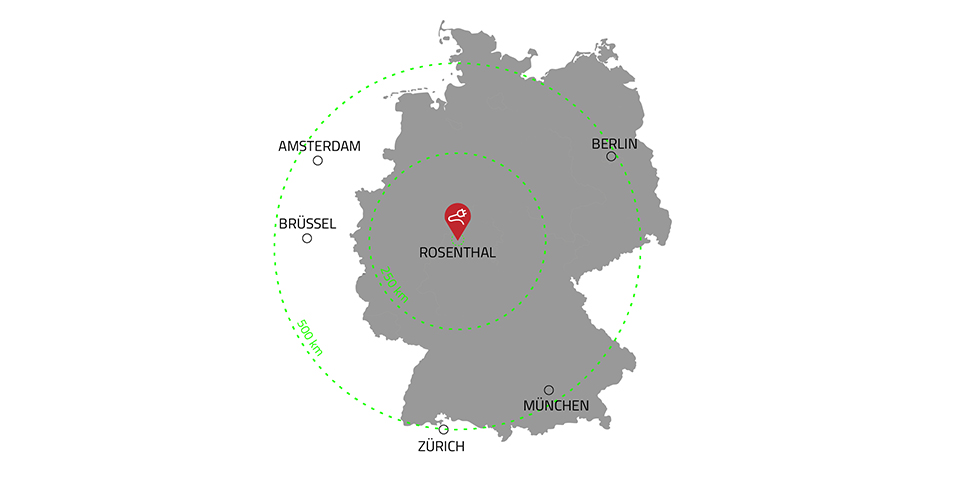
The successor cell to the originally favored 18650 was probably snatched from under our noses by an OEM (Original Equipment Manufacturer) in the automotive industry. This showed us the disadvantage we have suffered from the great hunger for parts and the concentrated purchasing power of the large OEMs. On the other hand, it is precisely this increased demand that is now creating competing products and new standards. While the 18650 was initially created for smaller laptops and other electronic products, it later attracted a great deal of interest from the automotive industry due to its high production efficiency. However, the pursuit of greater process reliability and further cost reductions created further standards and sizes, which can also be optimally integrated into the battery box of the TWIKE 5. The weight will increase slightly due to the more robust design of the individual housings. However, the increase in weight also lowers the overall center of gravity of the vehicle slightly. In the end, we found what we were looking for and are now pursuing the implementation of a new battery format. According to the data sheet, the cycle and current stability are considerably better than with the variant originally pursued. The energy content of more than 35 kWh even suggests a range of over 500 km.
More detailed information will follow after the upcoming practical tests. Stay tuned!