While electric motors are already clearly superior to traditional combustion engines, mobile electricity storage continues to pose challenges for manufacturers. The relationship between size , weight and storage capacity is of central importance here. As a result, the battery technology currently available often forces manufacturers to make compromises when it comes to the range of their vehicles. TWIKE has succeeded in compensating for the disadvantage of the higher weight with advantages elsewhere. In the course of TWIKE’ s more than twenty years of development history , we have also repeatedly been confronted with the question of how to reconcile limited space, the desired weight and electric range by choosing the right energy storage system.
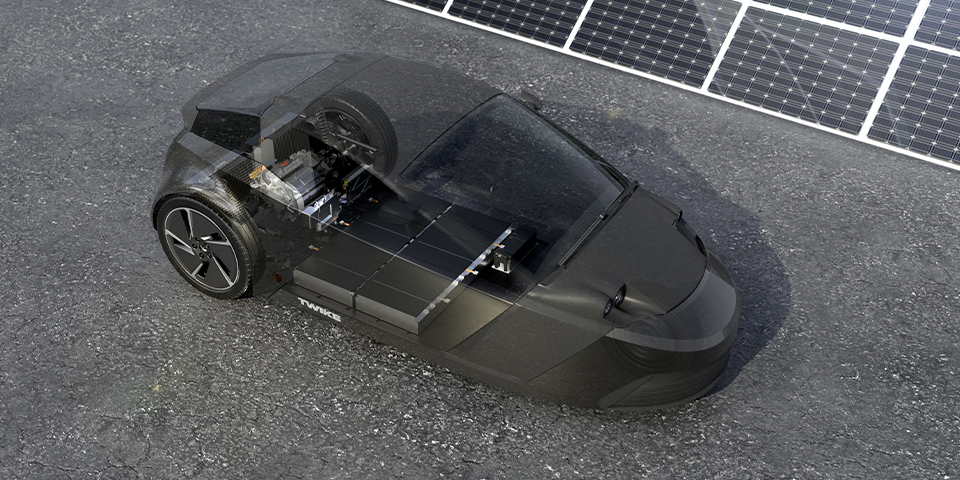
The limited space in the underbody proved to be a particular challenge in the search for a suitable energy storage system for the TWIKE 5. After the failure of an initially favored supplier and the resulting intensive research, the VDA format, which was initially ignored, finally proved to be very suitable. Lithium-ion technology is currently unrivaled in electric car applications. The capacity and voltage of a VDA module is 51 Ah at 44 V. The standard module can be connected in parallel and in series as a group structure to increase the voltage and capacity to up to 36 kWh at 352 V.
With a height of 108.5 mm, the alternative only required a modification to the sandwich structure of the battery box. Once again, the advantage here was that TWIKE 5 can completely dispense with active cooling thanks to the low stress on the battery and the desired long service life. A panel heater was only integrated into the battery box for gentle charging operation at sub-zero temperatures.
Disadvantage of high weight turned into advantages
As a positive side effect of the necessary adjustments, the rigidity of the main frame has also been increased. The battery electronics have also been integrated into the sandwich structure, which reduces assembly times and frees up additional storage space behind the seats. As a result of the switch to the new battery format, the charging capacity can be adjusted to a lesser extent. The TWIKE 5 will therefore only be available in two variants: one version with an energy content of around 18 kWh and a range of approx. 250 km and a second with double the capacity and a range of 36 kWh or 500 km.
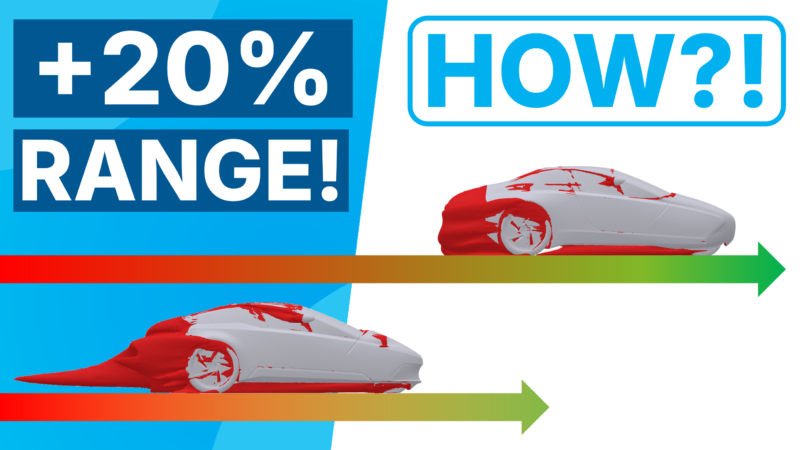
As a relevant compromise, the VDA format is noticeably heavier. However, we were able to compensate for the negative effects of the additional weight through aerodynamic modifications. Furthermore, the additional battery weight causes a lowering of the vehicle’s center of gravity and thus also improves the driving dynamics of the TWIKE 5. “Over the years, we have learned to always face new challenges,” explains Möscheid. “After all, we are treading new paths with TWIKE, where we are several steps ahead of the automotive industry in many areas and have to react flexibly to short-term changes.”
When choosing the battery manufacturer, TWIKE is in the comfortable position of being able to choose from different suppliers. The upcoming tests that the batteries from the various manufacturers will undergo will decide who is awarded the contract.