Company
Fitness
Efficiency
Sustainability
Pioneering Sustainable Mobility with Swiss Innovation and German Engineering
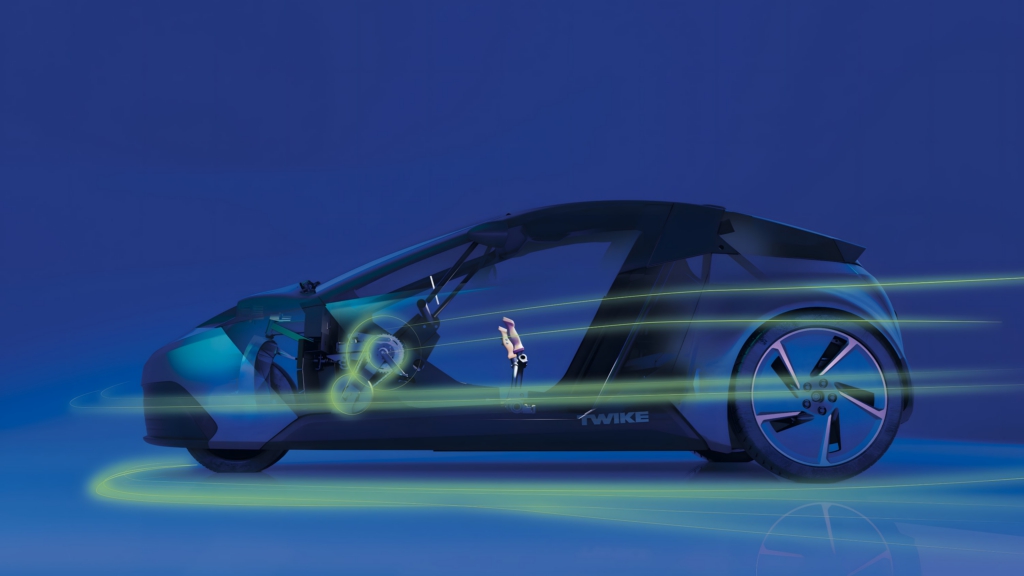
TWIKE stands for visionary mobility shaped by Swiss innovation, perfected through German engineering. What began in 1986 as a student project at ETH Zurich for the World Expo in Vancouver has evolved into a unique electric vehicle concept. Since 1998, and led by FINE Mobile GmbH since 2002, TWIKE has become a symbol of sustainable design, energy efficiency, and technical ingenuity.
The Vision – Rethinking Mobility
Human Power – Muscle Meets Motor
From Prototype to Production – The Birth of TWIKE 3
Real-World Tested – Crossing Continents
The TWIKE 4 – A Leap in Ambition
The Community – Users Become Ambassadors
TWIKE 5 – Radically Efficient by Design
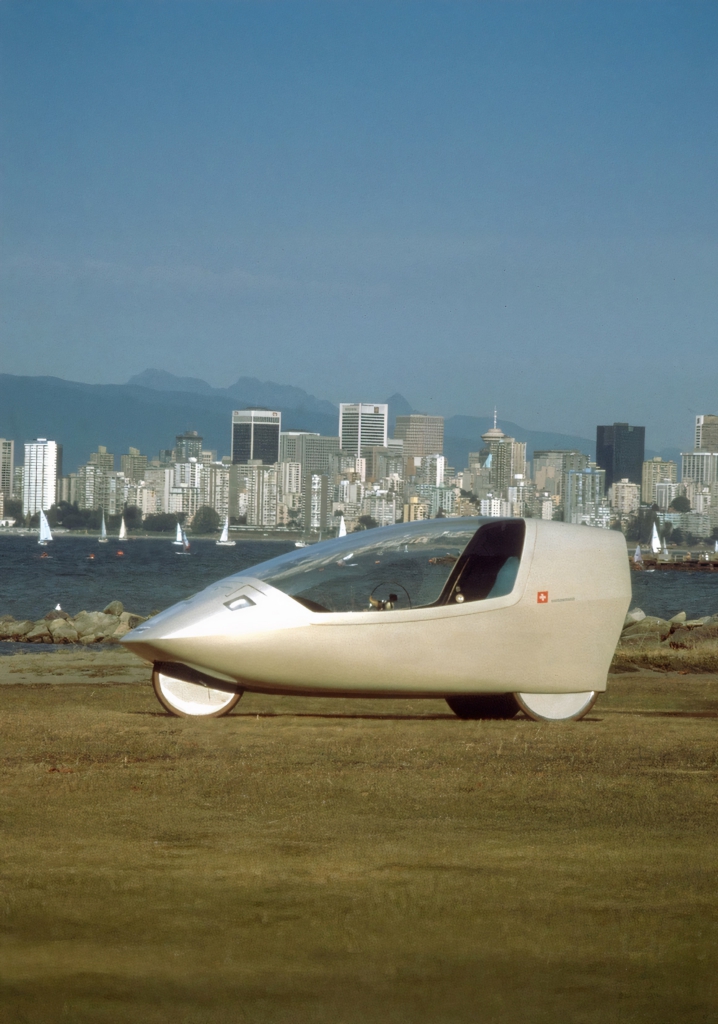
The Vision – Rethinking Mobility
From day one, the TWIKE was a mindset: smart, clean, and just enough.
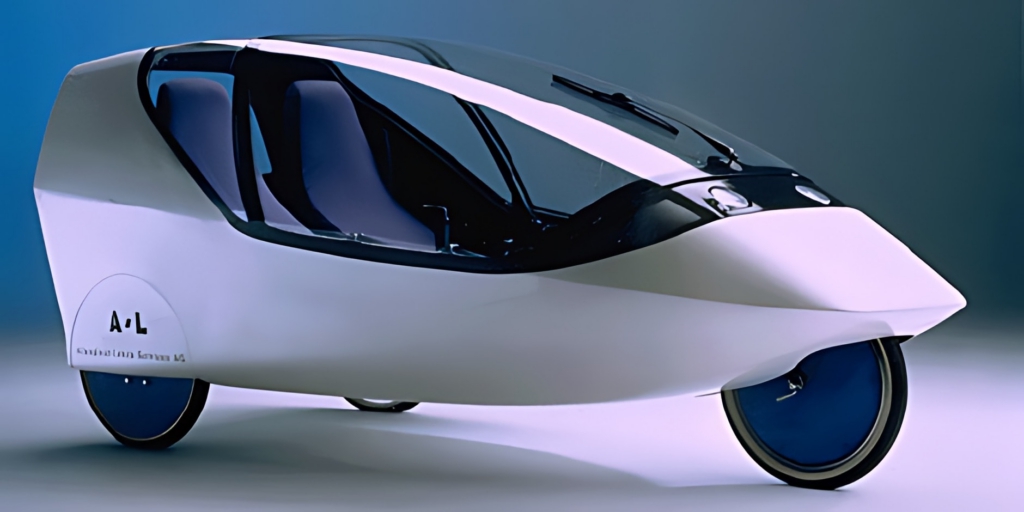
A Different Kind of Start
The idea for TWIKE was born in 1986 at the École Polytechnique Fédérale de Lausanne in Switzerland. A group of students developed the first prototype as part of a university project: a lightweight, three-wheeled vehicle powered by a combination of human pedaling and electric assistance. The focus was not on speed, but on intelligent and efficient mobility. In 1991, the TWIKE was presented to the world at the Expo in Sevilla—marking its debut as a bold concept for the future of transportation.
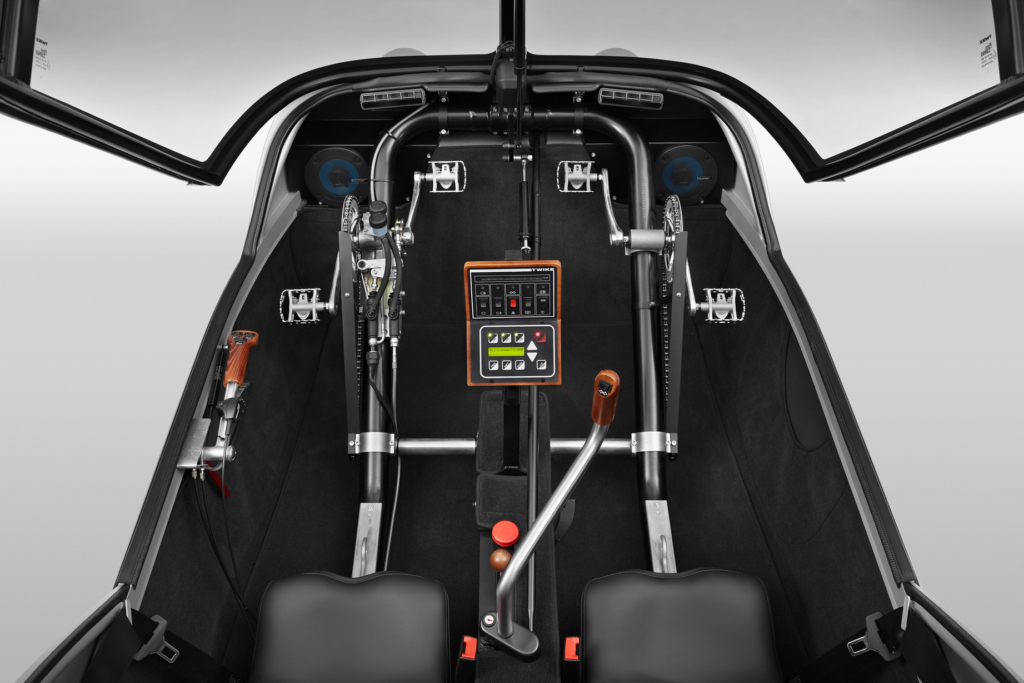
Human Power – Muscle Meets Motor
Mobility isn’t passive—it’s active.
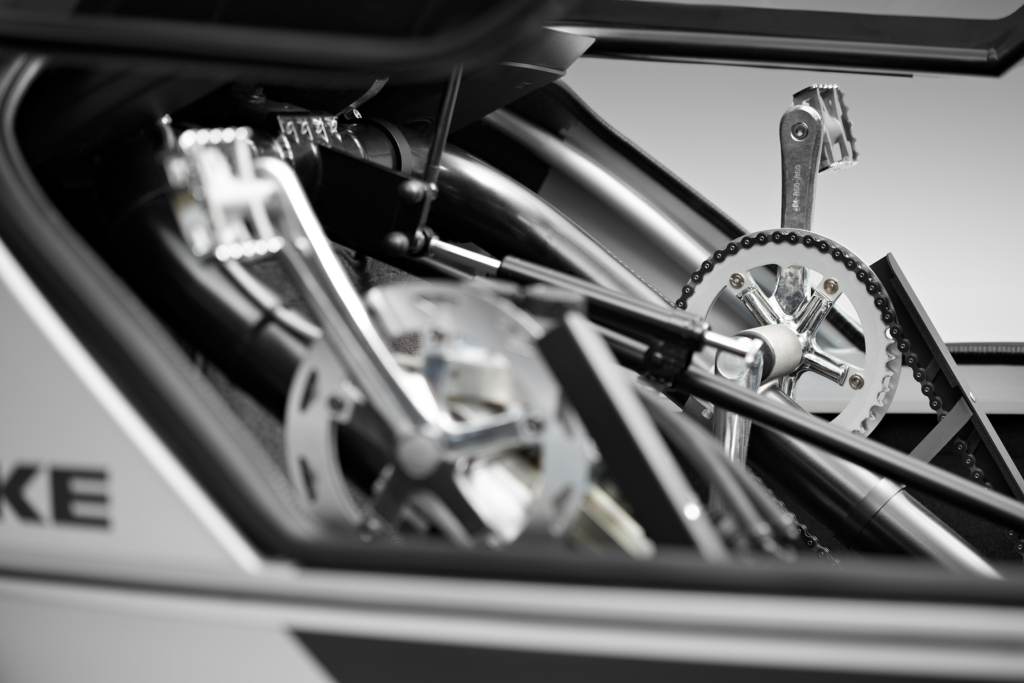
The Pedal Principle
From its earliest version in the late 1980s, the TWIKE integrated human power into its drivetrain. This wasn’t about adding effort—it was about making mobility participatory. By allowing drivers to pedal, even partially, it redefined the relationship between user and machine. This concept carried forward into every TWIKE generation, including the production-ready TWIKE 3 in the early 2000s, where the pedal system remained a signature feature. In a world dominated by passive transport, the TWIKE chose involvement.
From Prototype to Production – The Birth of TWIKE 3
A garage, a small team—and a big ambition.
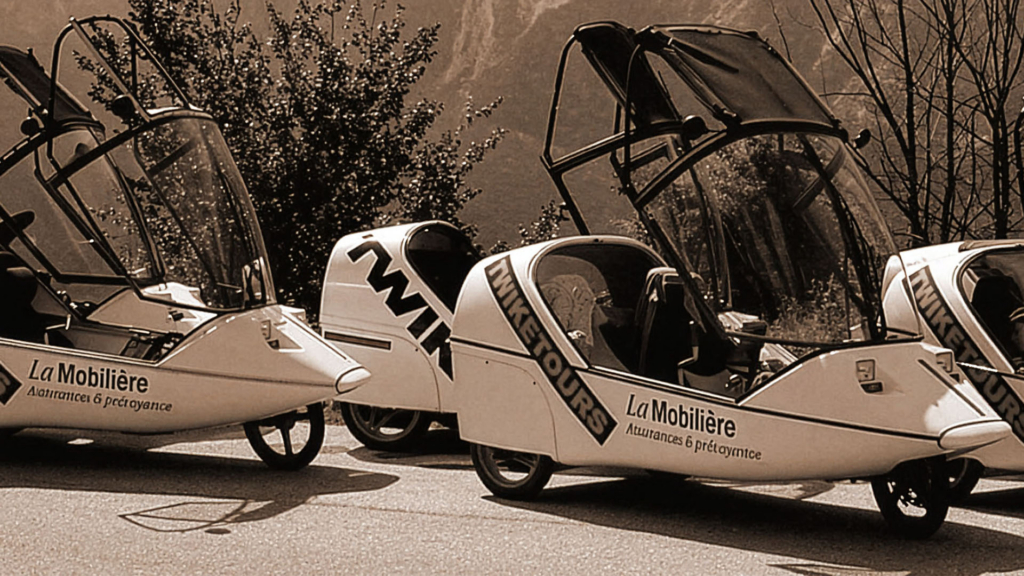
The First Series
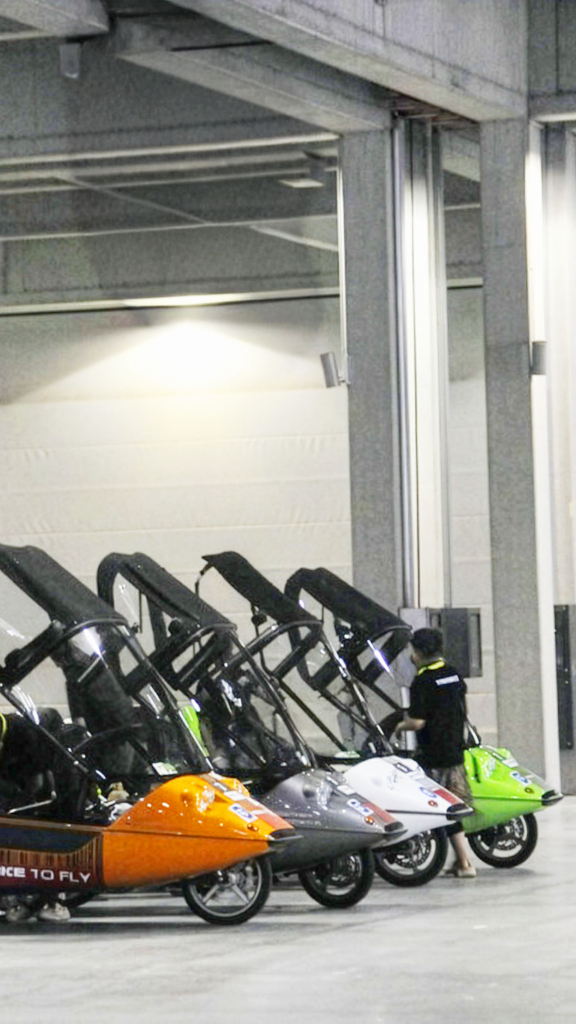
In 1998, a group of enthusiasts and engineers in Rosenthal, Germany, took over the idea and began refining the concept into something roadworthy. After several iterations, the TWIKE 3 was launched into limited production around 2002. It maintained the human-electric hybrid core but was now street-legal and more comfortable for daily use. Built in small batches, mostly by hand, over 1,000 TWIKE 3s were eventually produced—each one a quiet revolution on three wheels.
Real-World Tested – Crossing Continents
Built for roads, proven in extremes.
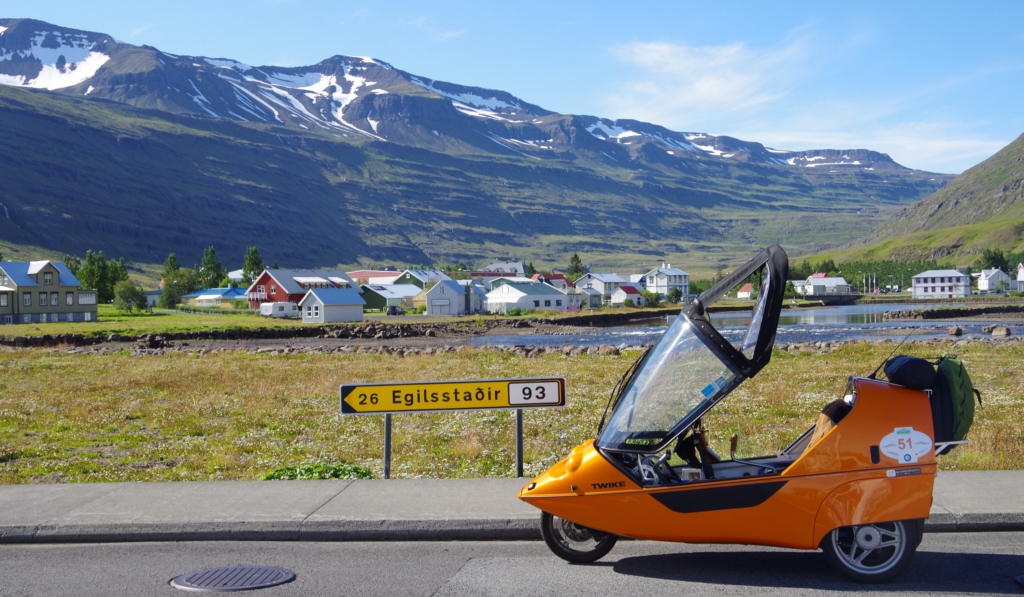
The Proof of Concept
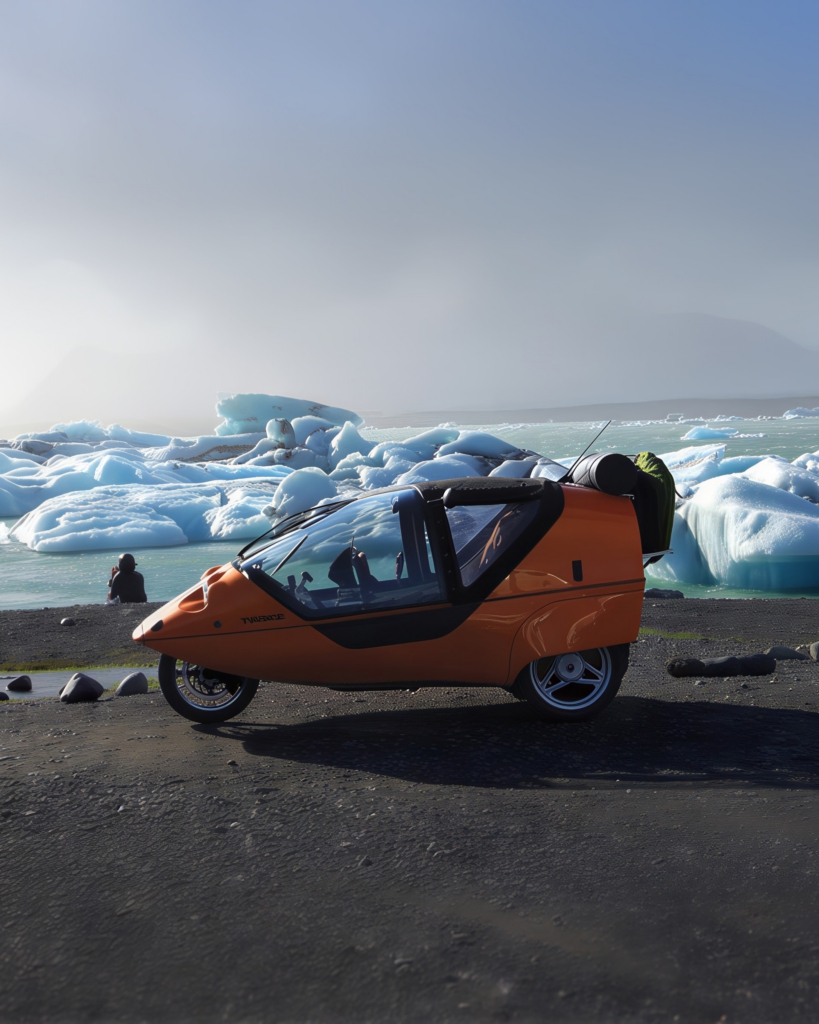
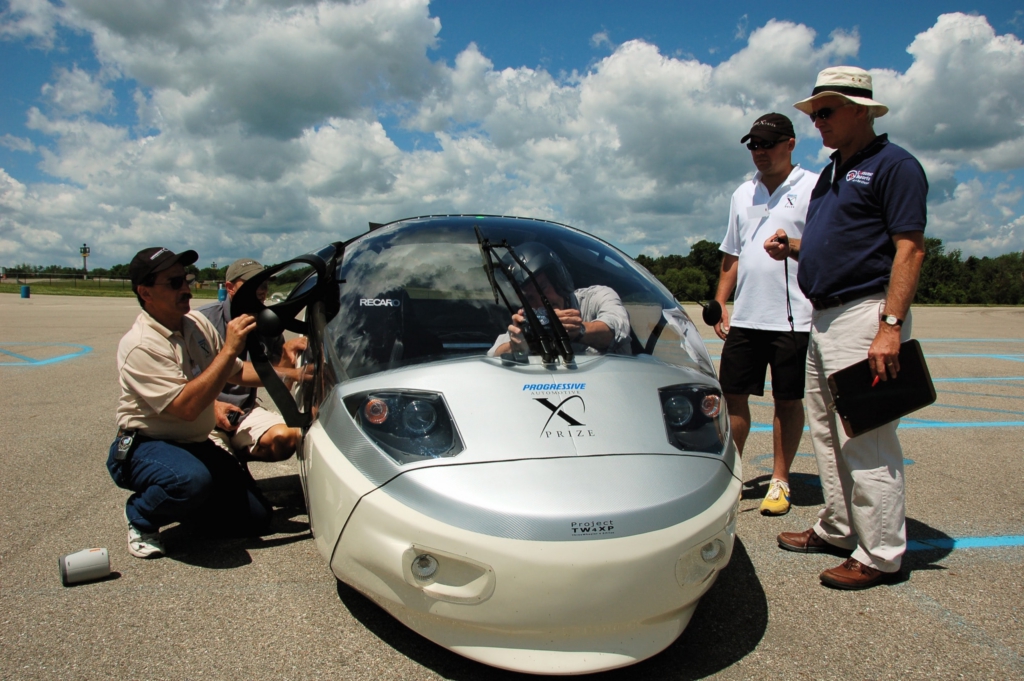
Following the Expo in 1991, the early TWIKEs were put to the test across multiple continents. These weren’t showroom vehicles—they climbed mountain passes, crossed deserts, and demonstrated what ultra-efficient mobility could achieve. In 1995, several prototypes traveled across Europe and Africa in adventurous expeditions, showcasing reliability, range, and mechanical simplicity in the harshest of environments. It was proof that a minimalist vehicle could go far—literally.
The TWIKE 4 – A Leap in Ambition
Built to prove what’s possible.
The XPRIZE Era
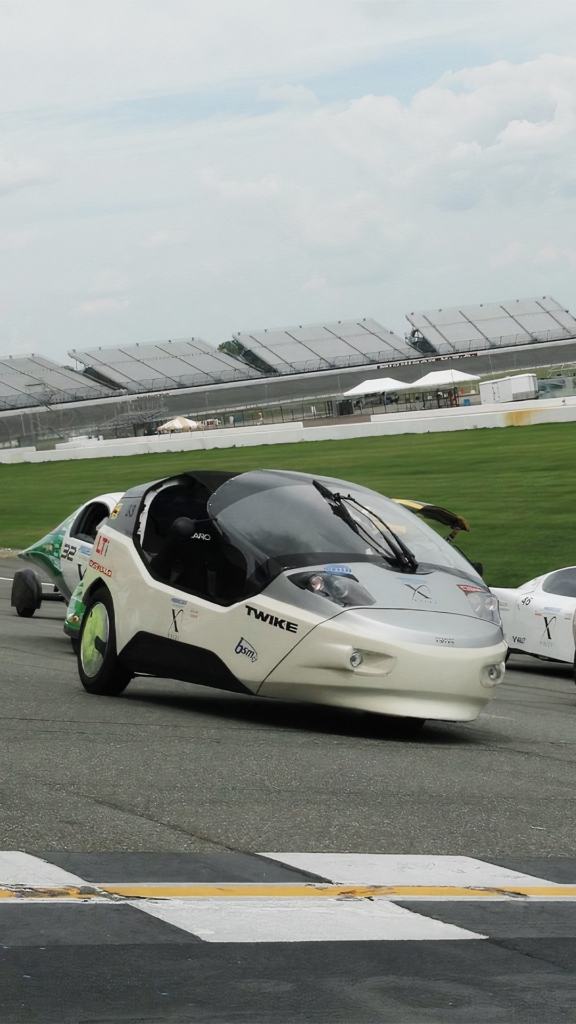
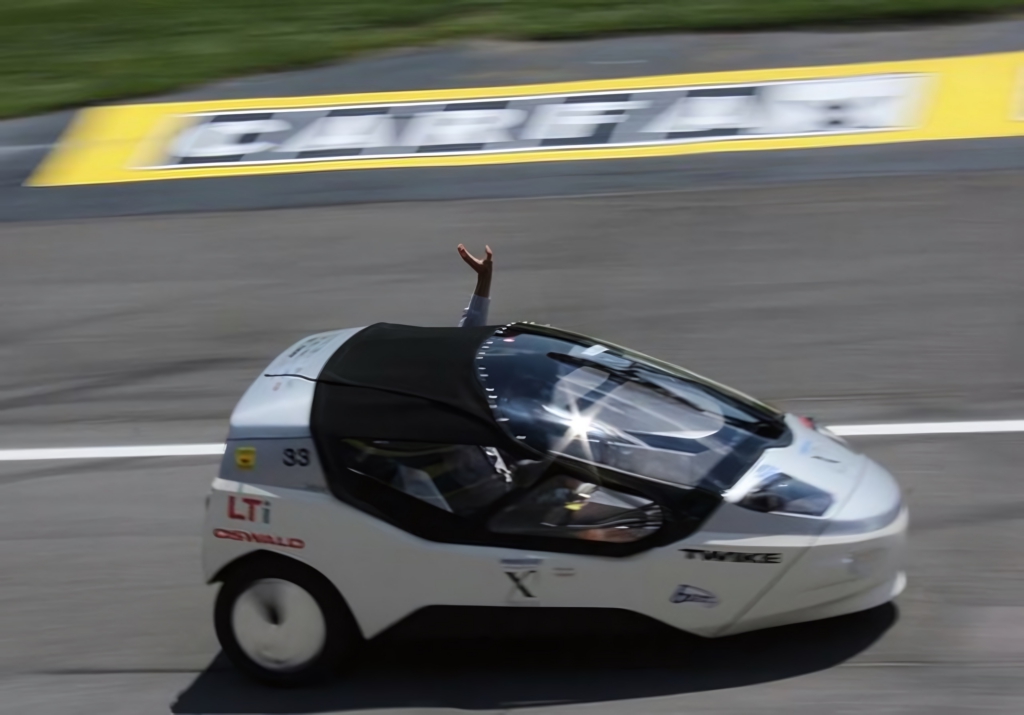
In 2009, TWIKE entered the global spotlight again by participating in the Progressive Insurance Automotive XPRIZE, an international competition to build the most energy-efficient vehicle. For this, the team developed the TWIKE 4—a more powerful prototype based on years of real-world experience. It featured improved aerodynamics, enhanced drivetrain performance, and a renewed focus on minimal energy consumption per kilometer. Although the TWIKE 4 did not win the final prize, its development significantly influenced the design thinking for future generations—especially the TWIKE 5. It marked a turning point: from niche vehicle to innovation contender on the world stage.
The Community – Users Become Ambassadors
A vehicle shaped by the people who drive it.
Driving the Change
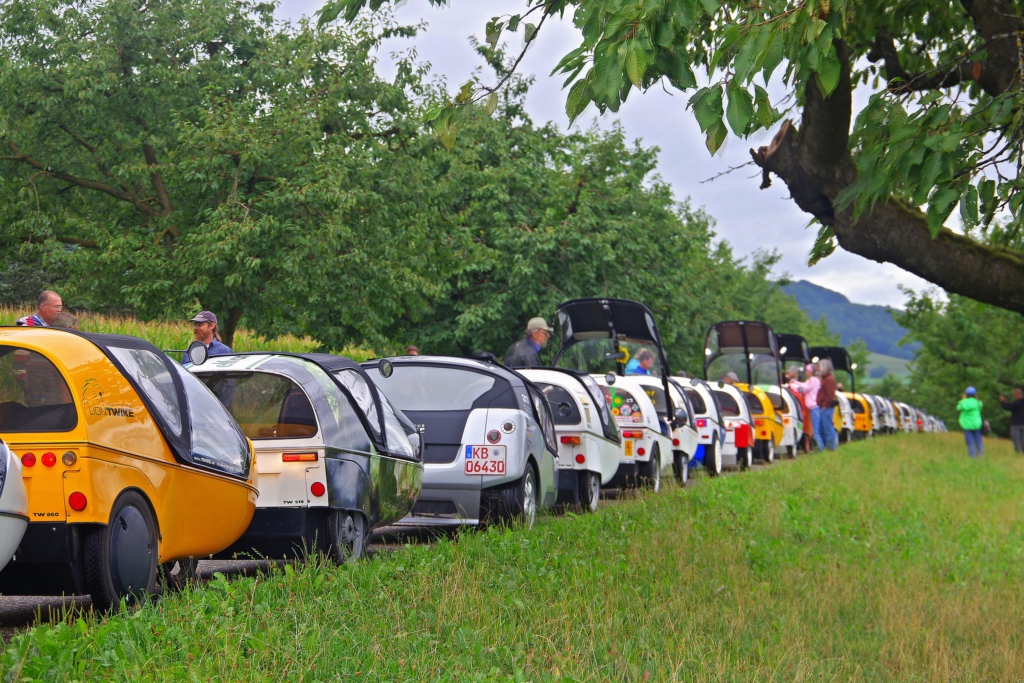
As the TWIKE 3 gained traction in the early 2000s, a vibrant community began to form. Owners didn’t just drive—they optimized, repaired, and promoted their TWIKEs. Events like the WAVE Trophy (2011–2018) and TWIKE Tours turned into rolling showcases for sustainable mobility. These early adopters helped push innovation forward with their feedback, forming the core of a loyal, global user base. Their enthusiasm kept the project alive—and evolving.
TWIKE 5 – Radically Efficient by Design
Efficiency from less weight.More range. More relevance.
Next-Gen Electric Mobility
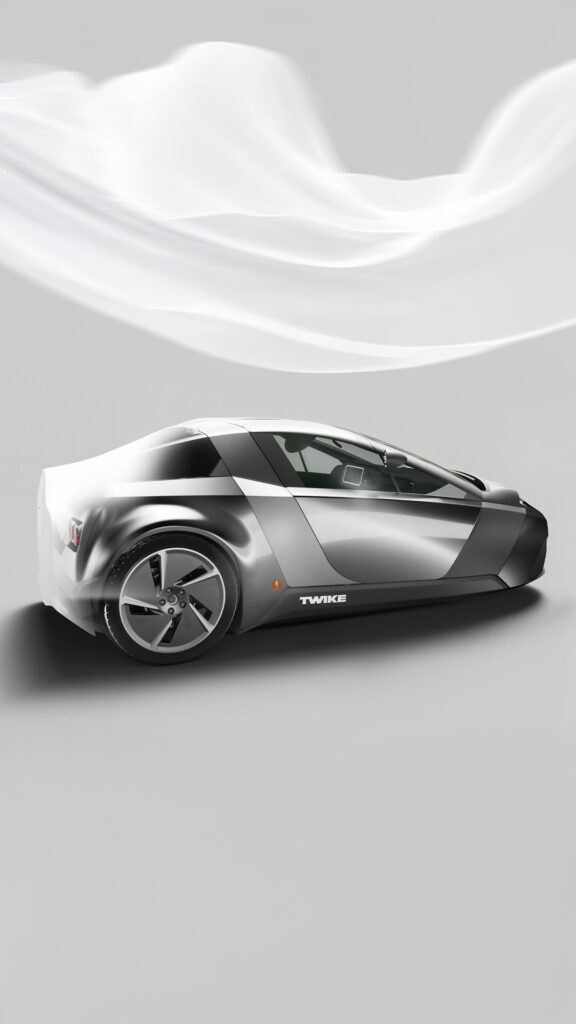
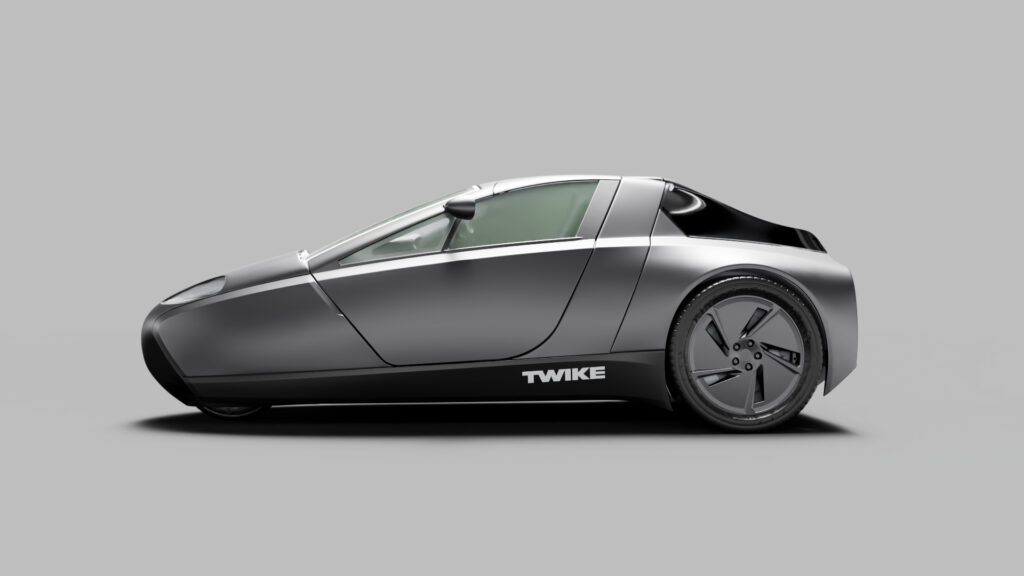
Development of the TWIKE 5 began in 2016 in response to growing demand for long-range electric vehicles that could meet everyday needs—without compromising the TWIKE’s core values of efficiency and lightweight design. With a range of over 500 km and top speeds of up to 190 km/h, the TWIKE 5 redefines comfort, safety, and aerodynamics—while staying true to its radically efficient DNA.
In 2025, our full focus is on the start of production. With the TWIKE 5, we’re opening the next chapter in smarter, more responsible mobility.
Discover the key milestones in the development of TWIKE 5 on our news site.
localy, globally driven
TWIKE’s Commitment to Sustainable Local Manufacturing
TWIKE’s local manufacturing approach
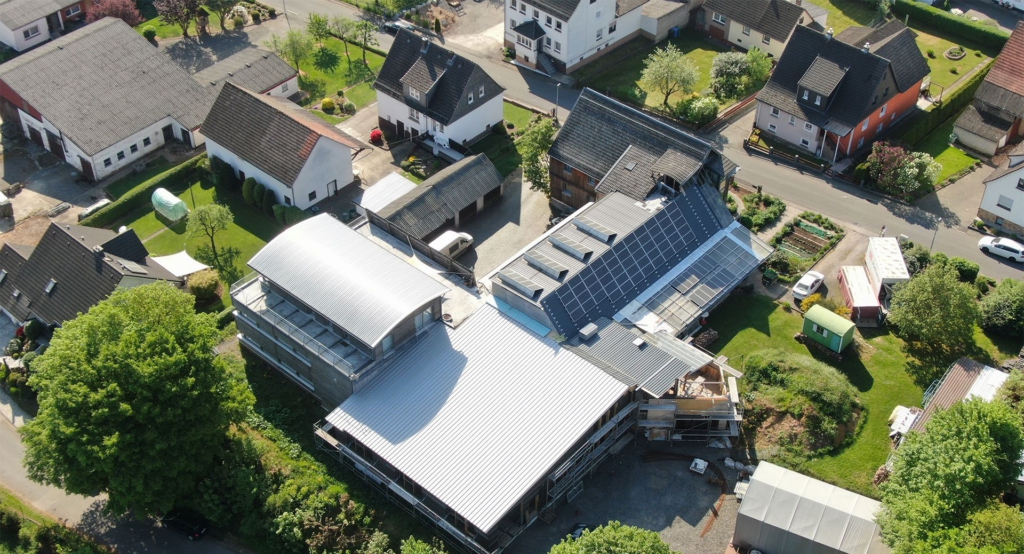
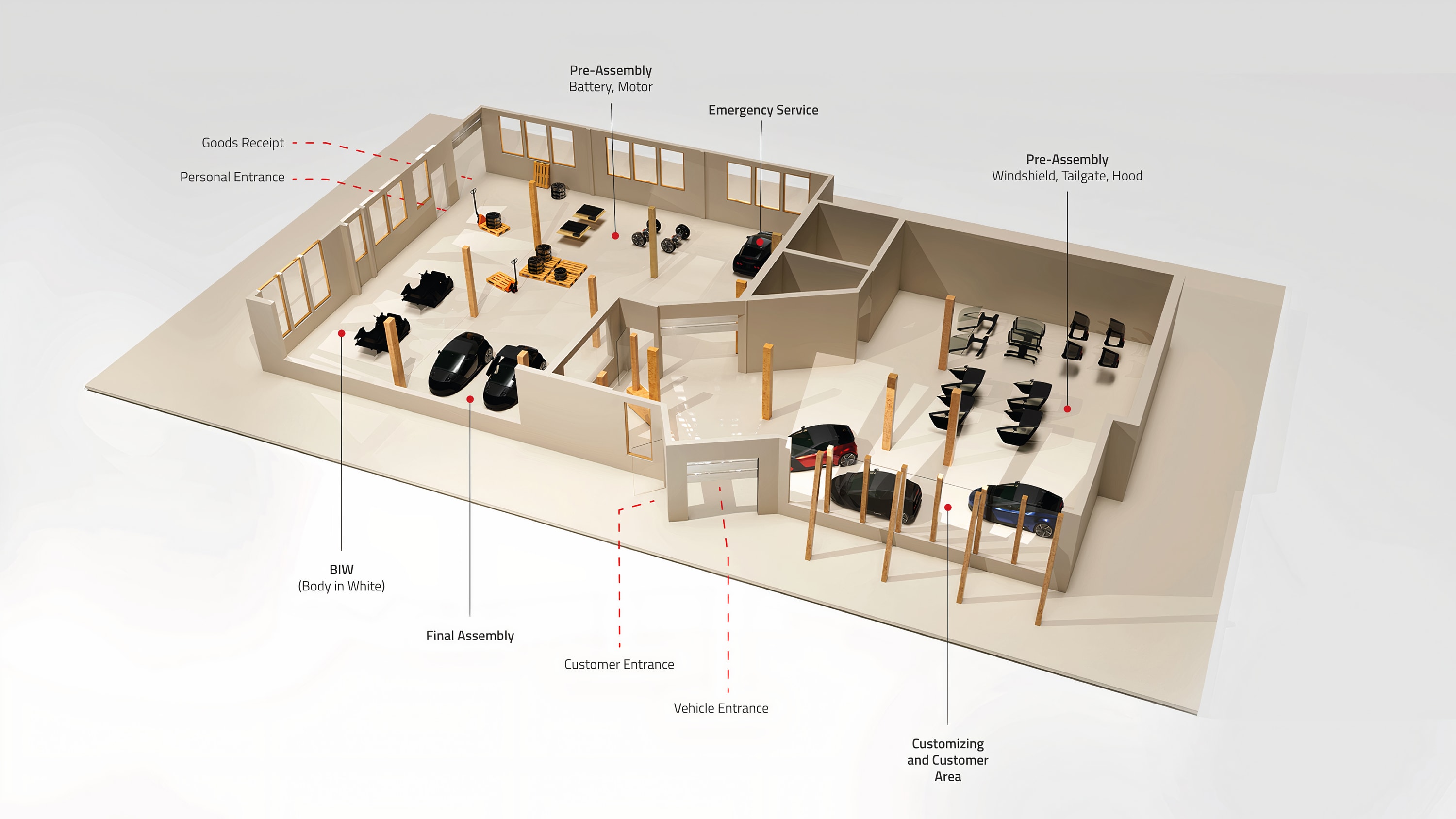
TWIKE vehicles are built in small production runs in Germany, with a strong focus on local suppliers, short transport routes, and sustainable materials. This approach reflects a growing shift in the small-scale automotive industry—where innovation, quality, and environmental responsibility take priority over mass production. By staying local, TWIKE ensures transparency, fair labor, and a lower ecological footprint—while delivering a vehicle that’s ready for the world.
Invest in Sustainability
Invest in TWIKE GmbH and benefit from the booming electric mobility market. Join the sustainable transport revolution and grow your profits with innovation-driven solutions.
Join the Mobility Revolution
Join the TWIKE team and be part of a movement shaping the future of sustainable mobility. We are looking for passionate innovators who want to make a real impact—dynamic, forward-thinking, and ready to drive change.