Skip to content

Articles

Articles Top News TWIKE 5

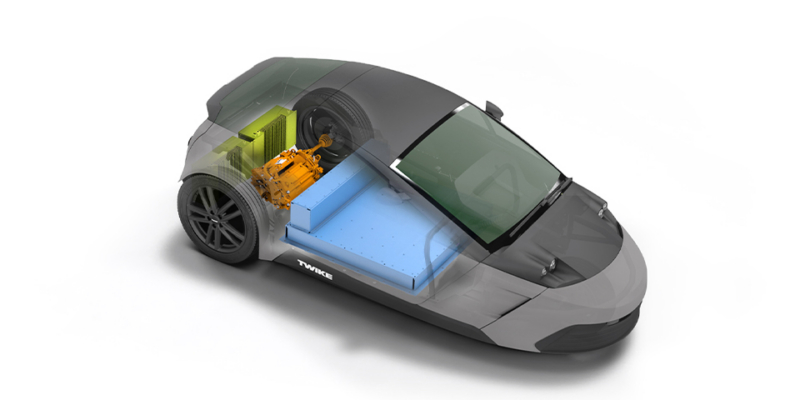
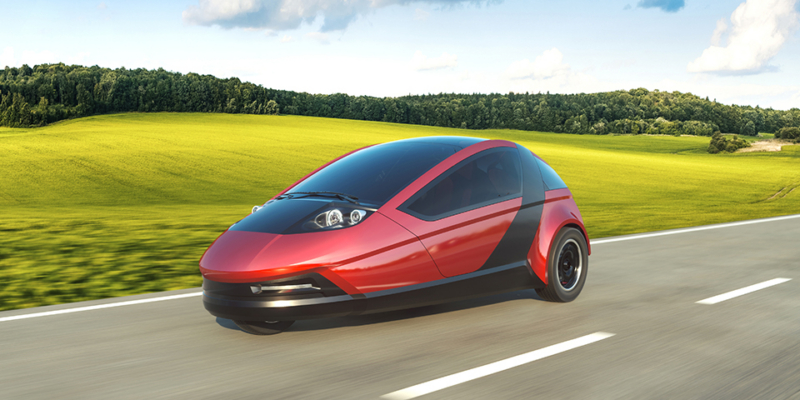
FROM 0 TO 100 IN 3.8 SECONDS

With its electric drive system, the TWIKE 5 can achieve an impressive acceleration sprint from 0 to 100 km/h in less than 3.8 seconds. But does an electric vehicle that has already been optimized for the lowest consumption of less than 7 kWh/100 km have to demonstrate such brute acceleration manoeuvres at the same time? In our opinion, the TWIKE pilot will not want to measure the acceleration. He just wants to have enough.

Articles

Nachhaltig-Investieren.com: Sustainable investments of the month December 2020

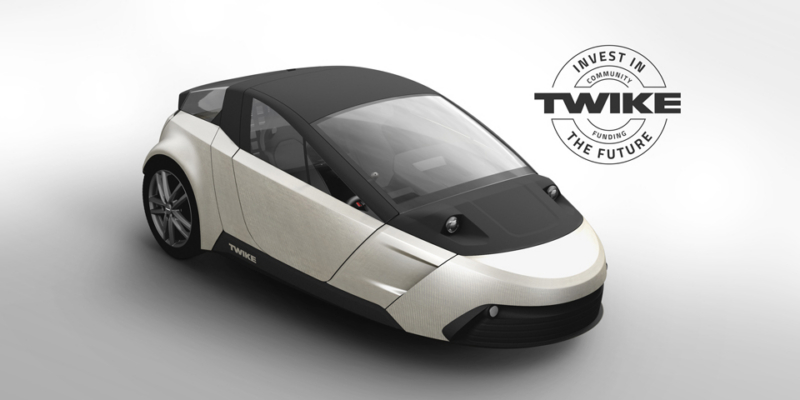
Since November 2020, it has been possible to support the TWIKE project without buying a vehicle. The web portal Nachhaltig Investieren has named the project one of the most sustainable investments this month and explains how and where sustainable investments can be made in general, scrutinizes and lists the most sustainable of the sustainable according to the motto: Fighting together for more transparency in the financial sector.

Articles

Diploma AC: TWIKE X – Conception of a Human-Electric Hybrid in Cooperation with TWIKE

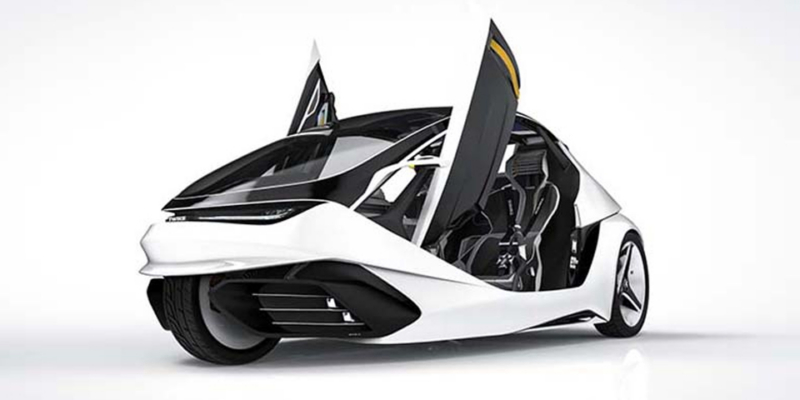
Jan-Frederik Niehues, a student at FH Aachen, decided to dedicate his final thesis in Product Design (B.A.) to a design study of “TWIKE X”. This aims to strengthen the TWIKE brand image in a forward-looking way and generate well-deserved attention for this exceptionally sustainable vehicle. He is supervised by Prof. Manfred Wagner and Prof. Dr.-Ing. Thilo Röth

Articles

Ecomento.de: TWIKE shows design update for new generation of electric three-wheelers

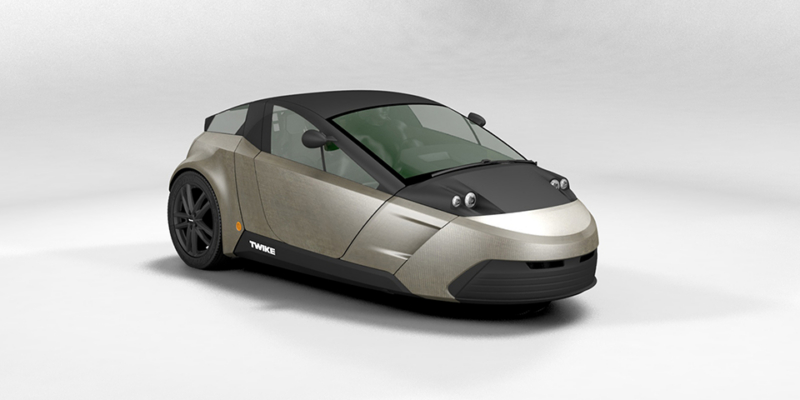
Das für seine dreirädrigen Leicht-Elektrofahrzeuge bekannte hessische Unternehmen TWIKE arbeitet an einer neuen Fahrzeuggeneration. Der Start des Modells TWIKE 5 musste Anfang des Jahres verschoben werden, die Verzögerung soll aber das Hochfahren und die Qualität der Produktion begünstigen. Vor kurzem gab es ein Update zum aktuellen Stand.

Articles

Automotive industry: electromobility only works with lightweight construction

“The statement that the weight of electrically powered vehicles is of secondary importance persists. But it is wrong: in electric vehicles, recuperation can only recover part of the energy used, namely the energy used during acceleration or when driving uphill. In terms of vehicle weight and lightweight potential, this means that the less mass that has to be accelerated or brought to a different height potential, the less energy is lost.”

Need help? Visit our FAQ