With the TWIKE HV battery (HV stands for high voltage), one of the TWIKE 5’s most important—and at the same time heaviest—components is moving one step closer to series production.
Last week, the team took another deliberate look at the battery assembly from the perspective of future production. The bill of materials was reviewed again, material decisions were reevaluated, and additional price quotes were requested. At the same time, we prepared the first areas in the designated production space and discussed the planned workflow with the mechanics.
The goal here is not just to build a functional battery. What’s crucial is to use it as a basis for developing a clear, repeatable, and as simple as possible assembly process for future mass production.
Two strands, a rigid sandwich
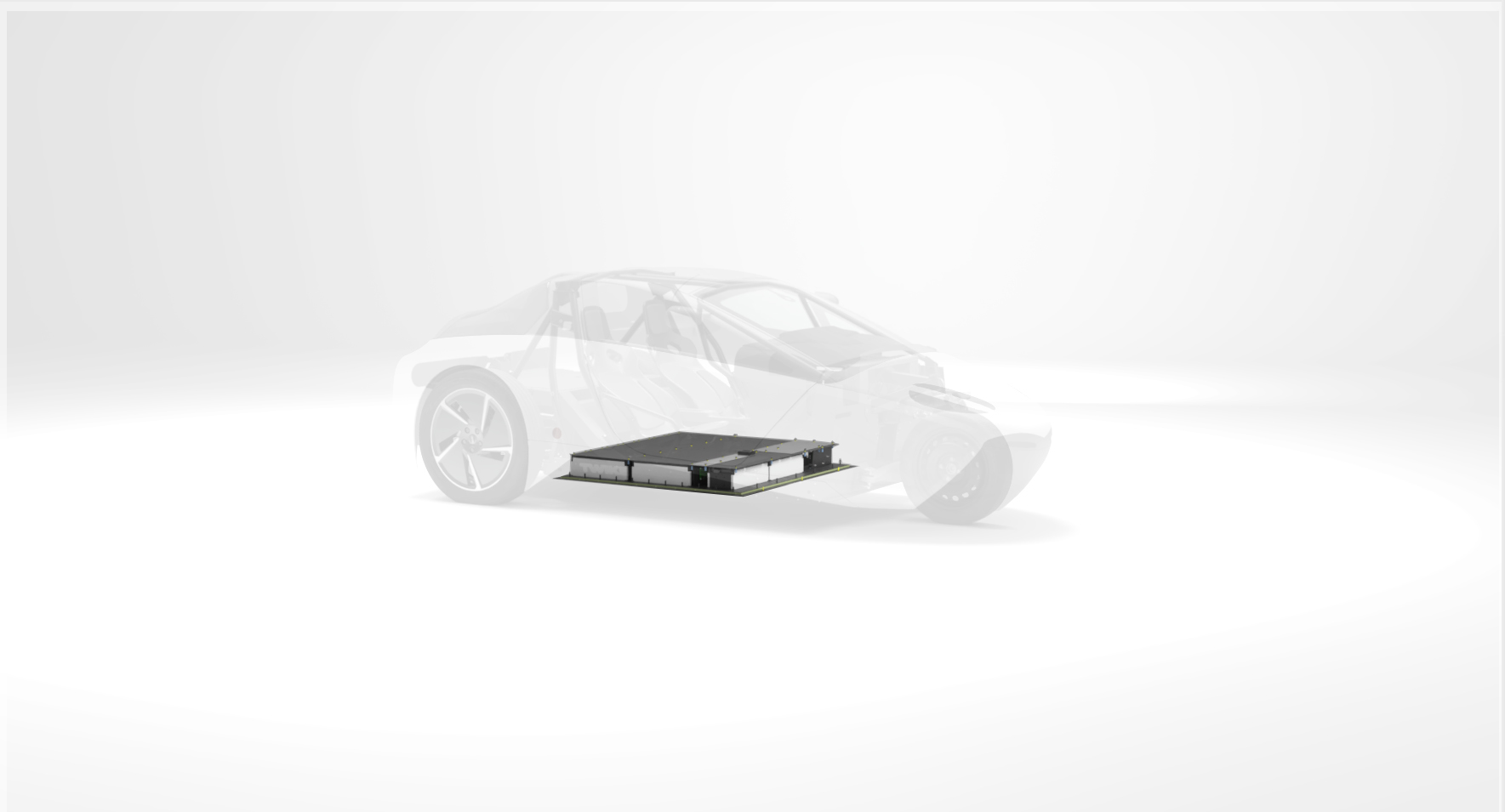
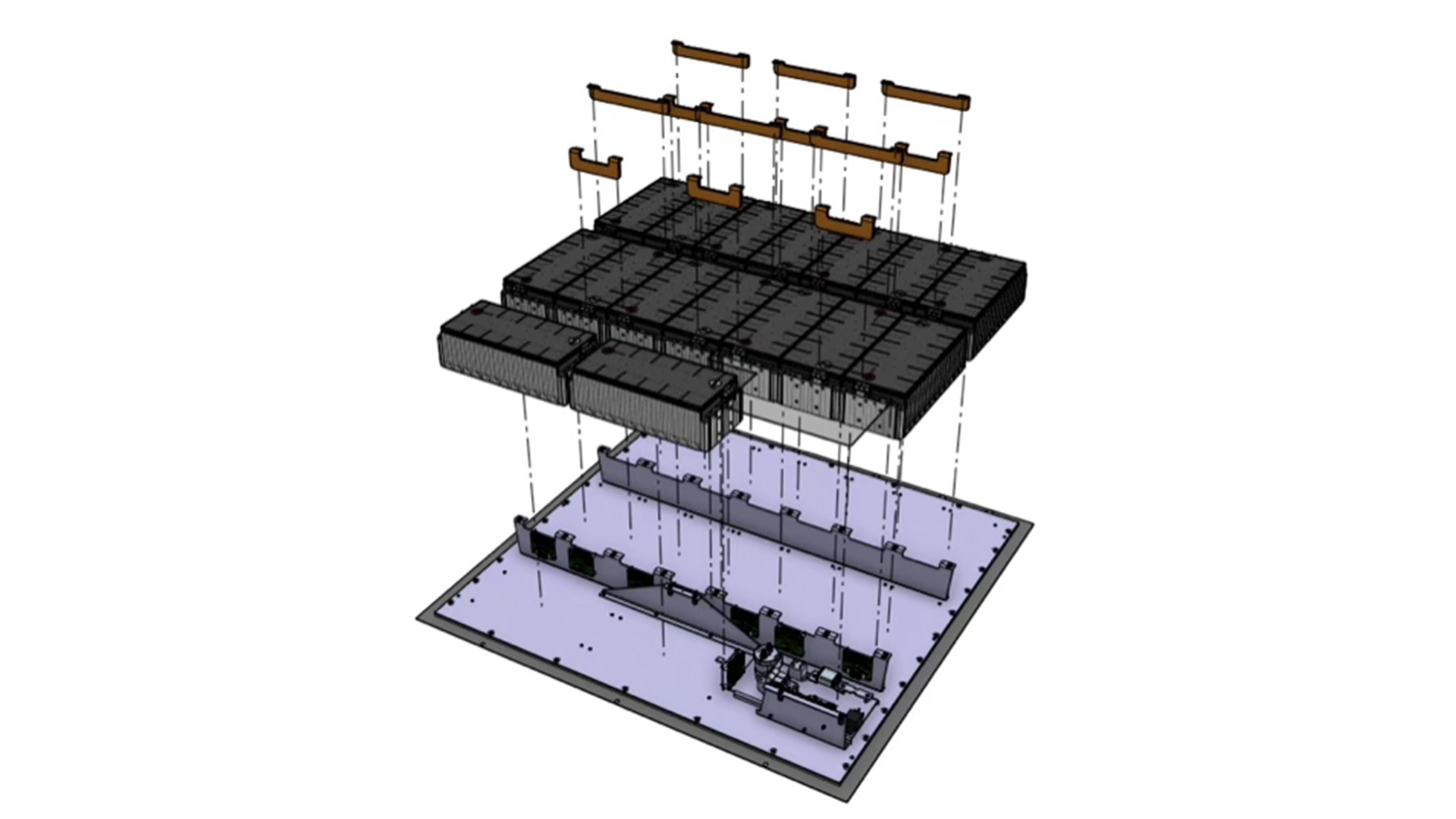
The TWIKE HV battery consists of two parallel strings, each with eight VDA battery modules. Eight modules make up the 20-kWh version, while a total of 16 modules make up the 40-kWh version.
When fully assembled, the large battery weighs about 200 kg and, with a surface area of approximately one square meter, takes up a considerable amount of space.
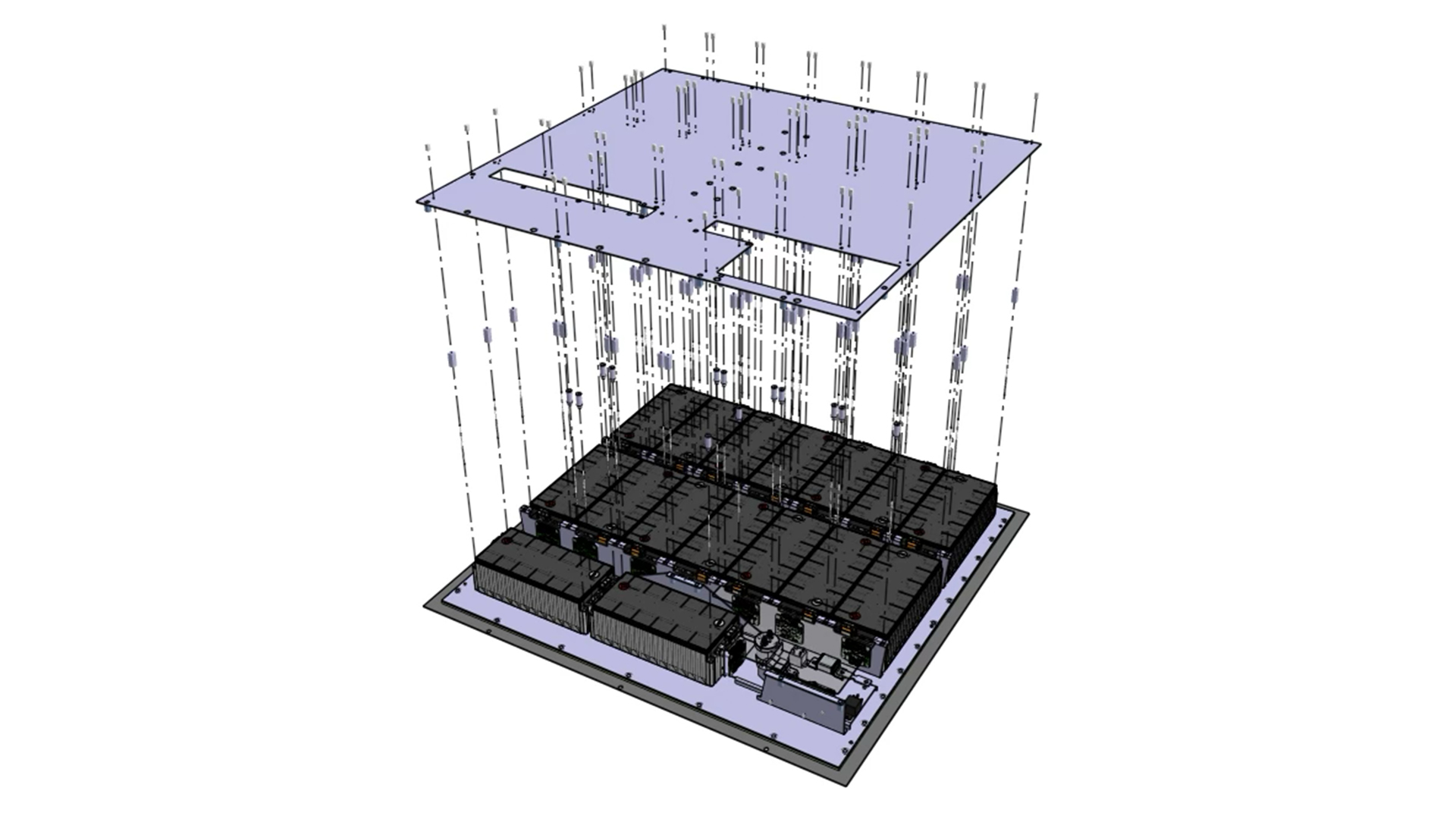
Structurally, the battery is designed as a sort of sandwich: The battery modules are arranged between metal plates and bolted together to form a rigid assembly. When this assembly is later installed into the body-in-white, it is additionally secured.
In this way, the battery further stiffens the vehicle—and at the same time, the battery sandwich gains additional stability through its integration into the vehicle structure.
Assembly Entirely in Rosenthal
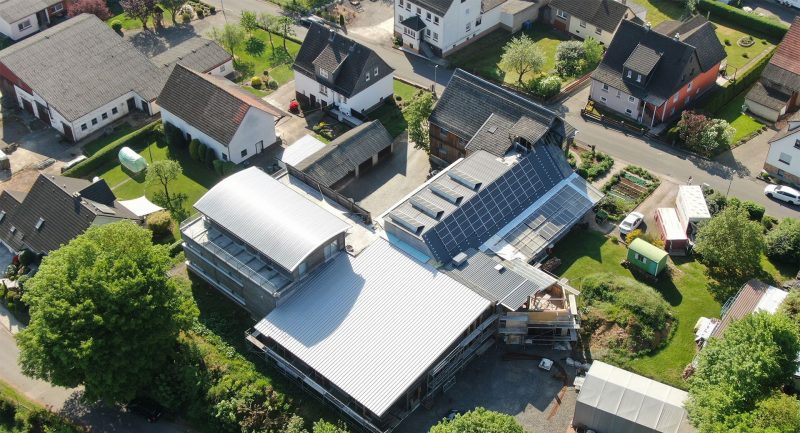
The TWIKE HV battery is to be assembled entirely at our facility in Rosenthal.
The current testing therefore focused on practical questions such as: In what order are the individual parts assembled? How can the assembly, which weighs nearly 200 kg, be handled safely? Where should it be pre-assembled to avoid unnecessary transport?
Precisely because the HV battery is the heaviest assembly in the vehicle and also takes up a large amount of space, a short transport route was particularly important to us.
Following a joint inspection, the planned pre-assembly location in the immediate vicinity of the future final assembly area was confirmed.
Exploded views as assembly aids
Our new CAD tool, Onshape, also demonstrated for the first time in a practical way how it can support the subsequent production process.
Exploded views can be generated from the current model, which make it much easier to illustrate the individual assembly steps and the positioning of the components. Such views can later help in clearly structuring assembly procedures, work instructions, and training sessions.
Secure the details first, then place the order
Even though the battery assembly has taken an important step forward, we do not want to rush into ordering individual components.
At the same time, we are therefore continuing to finalize details for other TWIKE 5 assemblies with regard to bill of materials, material selection, suppliers, and prices. The goal remains not only to procure individual parts optimally, but also to prepare the entire production ramp-up in a sensible and efficient manner.
With the TWIKE HV battery, we now have a component where this transition from development to production is very clearly evident.
From the CAD model to the bill of materials to the prepared assembly station in Rosenthal.